
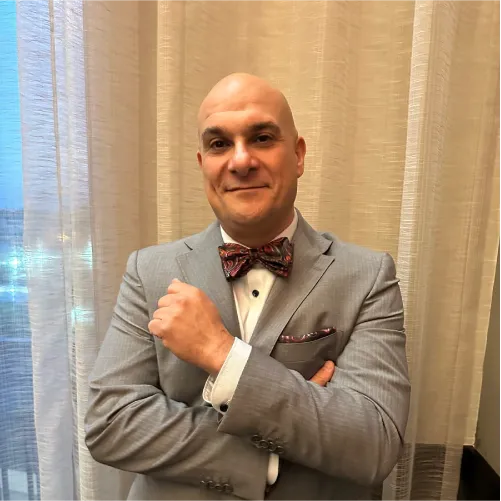
In this conversation, The Bow Tie Attorney talks with Rockford commercial broker Rosalind Astorga about growing up as the family translator, managing buildings, and why immigrant business owners should stop renting forever. They walk through how buying your own building can protect your livelihood, your family, and the community you serve.
Before she was walking clients through leases and purchase contracts, Rosalind Astorga was a social worker. Her days were spent listening to families in crisis, translating systems that did not speak their language, and trying to connect people with resources that rarely felt built for them.
In this episode, The Bow Tie Attorney sits down with Rosalind to talk about how that background shapes her work today as a commercial broker in Rockford. The through-line is simple: from case notes to cap rates, she has always been focused on how decisions at the top affect the people on the ground.
When you understand how the system really works, you can stop reacting to it — and start using it to protect your own people.
Rosalind explains how she moved from social work into property management and then into commercial brokerage. Along the way, she saw the same pattern over and over: immigrant families and small business owners doing everything right, yet still stuck renting space from landlords who controlled their rent, repairs, and future. That tension is what drives her mission now — helping owners move from “we just rent” to “we own the building where we work.”
If your rent checks have been paying someone else’s mortgage for years, it may be time to look at ownership instead.
This episode speaks directly to first- and second-generation families building lives in cities like Rockford, Aurora, Elgin, and Chicago’s collar counties. Mahmoud and Rosalind talk about what it means to grow up translating leases, helping your parents navigate City Hall, and realizing that your family’s business is still one landlord decision away from having nowhere to go.
You will hear how culture, fear, and lack of information keep owners renting storefronts year after year, and what changes when someone finally explains the math and the law behind owning your own building instead.

Like many children of immigrants, Rosalind grew up reading and speaking English more comfortably than her parents. That meant she was the one translating doctor visits, school forms, and eventually lease clauses and city notices. She saw, early on, how easy it was for landlords and institutions to overwhelm families who did not know the language or the rules.
When you have been the “kid translator” your whole life, you never forget what it feels like to be on the wrong side of a contract.
That combination of lived experience and training gives her a unique lens on commercial real estate in working-class and immigrant neighborhoods.
Rosalind is blunt about the cost of renting forever. Every month a small business sends rent to a landlord is another month they are building someone else’s equity instead of their own. In communities where margins are already thin, that dynamic keeps families stuck in survival mode.
If your business keeps the lights on in a building year after year, you should at least run the numbers on owning it.
Mahmoud adds the legal layer: what happens when leases are poorly drafted, when landlords fall into foreclosure, and when owners never get the chance to buy the buildings they are effectively paying off.
You do not have to translate the legal and financial fine print alone. EV Häs, LLC can help you understand your options in plain language and build a plan that protects both your business and your family.
One of Rosalind’s superpowers is that she reads commercial leases the way she used to read case files: not just for what is on the page, but for what it will actually feel like in someone’s life. She walks clients through operating expenses, maintenance responsibilities, renewal options, and default clauses in concrete terms.
Instead of saying “this is a triple-net lease” and stopping there, she spells out what that means for snow removal, roof leaks, property taxes, and surprise repairs. That level of detail helps families decide whether a space is truly workable or just looks good on a flyer.
A good commercial broker is not just opening doors — they are helping you understand the lifetime consequences of what you sign.
Mahmoud and Rosalind also talk about Rockford’s place in the broader Illinois economy. It is close enough to feel Chicago’s pull, but distant enough to have its own identity and price points. For immigrant families and small business owners, that mix can create opportunities that do not exist in the bigger metro areas.
Rosalind explains how she helps clients think beyond the next five-year lease term and instead plan for where their families and communities could be twenty years from now.
If you are running a business out of a rented storefront, warehouse, or office, this episode is your invitation to at least look at the ownership path. You may not be ready to buy tomorrow, but you can start gathering the information and team you will need when the right building appears.
The first step is not making an offer — it is getting clear on your numbers, your lease, and your tolerance for risk.
Mahmoud closes the episode by explaining where a real estate attorney fits: reviewing leases, negotiating purchase contracts, and protecting you if your current landlord’s property falls into foreclosure. For Illinois business owners who are ready to stop renting forever, EV Häs, LLC helps turn that idea into a concrete, legally sound plan.
Talk with EV Häs, LLC about the legal side of buying your building, cleaning up your lease, or protecting your business if your landlord runs into trouble.
These answers are general education, not legal advice. Commercial real estate, lending, and foreclosure rules vary by state and by contract. Talk with a licensed attorney and qualified lender about your specific situation before making decisions.
Renting gives flexibility, but it also means your landlord controls your rent, your repairs, and whether you can stay in the space long term. When you buy the building your business occupies, your payments start building equity instead of only covering someone else’s mortgage.
Ownership is not right for every situation, but it can give you more control over location, long-term costs, and succession planning — especially if family members already work in the business.
Commercial deals usually involve different loan products, larger down payments, and more complex leases or purchase contracts. Zoning, use restrictions, environmental issues, and build-out agreements all matter in ways that do not show up in a typical residential deal.
Because the stakes are higher and the rules are more detailed, it is important to have both a knowledgeable broker and a real estate attorney involved from the beginning.
Immigration status can affect which lenders and loan products are available, but it does not automatically prevent you from owning real estate. Many owners buy through entities or with family members who have different statuses.
Because the details matter, it is important to speak with an immigration lawyer, a lender, and a real estate attorney who understand how your status, documentation, and long-term plans fit together.
Red flags can include vague language about who pays for major repairs, unclear renewal options, broad rights for the landlord to relocate or terminate you, and clauses that shift unexpected costs like property tax spikes or insurance increases entirely onto the tenant.
Before you sign, have a real estate attorney review the lease and translate the legal terms into plain language so you know exactly what you are agreeing to.
If your landlord falls behind on their mortgage, the lender’s foreclosure case can put your lease at risk, especially if there is no clear agreement protecting you as a tenant. In some situations, you may have the chance to negotiate with the lender, move, or even make an offer on the property.
The sooner you know what is happening, the more options you have. If you receive notices about foreclosure or a sheriff’s sale, talk with a real estate and foreclosure attorney right away.
You do not need to wait until there is a lawsuit. It is smart to contact EV Häs, LLC before you sign a new lease, when you are considering buying your building, or if you hear that your landlord is in financial trouble.
Early legal advice can help you avoid terms that quietly trap you, spot opportunities to buy instead of rent, and protect the business you have spent years building.
Tell us what notice you received or your next court date. We’ll confirm where you are in the process and recommend your strongest next move—without panic or guesswork.
We typically respond the same business day or the next business day.