
Mikey Tenarelli shares the hard lessons from a flip that nearly erased his profit, including permit delays, contractor problems, rising rehab costs, and the importance of speed in investment real estate. The conversation also covers upsizing families, construction knowledge, and why even experienced investors can still get hit when a project goes sideways.
Mikey Tenarelli works as a real estate broker while continuing to evaluate deals through the lens of an investor. He has completed multiple flips, owns rental properties, and built much of his perspective through a construction background that gave him practical familiarity with scope, trades, and project risk.
Mikey does not separate brokerage from investing. He uses both perspectives to help clients and to judge whether a property makes sense as a personal opportunity, a listing, or both.
That hybrid approach matters because many people see only one side of the transaction. A retail buyer thinks about the next move for the family. An investor thinks about rehab costs, timelines, and resale margins. Mikey understands how the same property can create very different decisions depending on the person evaluating it.
Before you commit, review the numbers, rehab assumptions, timeline, permit exposure, and exit plan with people who understand the legal and practical side of the deal. A good purchase can still go wrong if the execution is weak.
One of Mikey’s main client groups is people who resemble his own current life stage. He and his wife recently moved from a townhome into a single family home, so he naturally connects with families trying to outgrow smaller spaces and find room for children, storage, and daily life. That makes him a practical guide for upsizers dealing with limited inventory and higher rates.
The math can feel discouraging when a homeowner leaves a lower rate to buy at a significantly higher one. Even so, Mikey points out that many families are moving out of necessity, not because conditions are perfect. More bedrooms, a yard, or a better layout may simply become essential once the household changes.
A lower rate is valuable, but it does not create extra space for a growing family. Sometimes the right home solves a life problem that the old payment can no longer justify.
That is where strong guidance matters. Buyers still need to be comfortable with the new payment, but the decision cannot be reduced to a slogan. It has to reflect real household needs, long term plans, and the family’s ability to absorb the higher monthly cost.
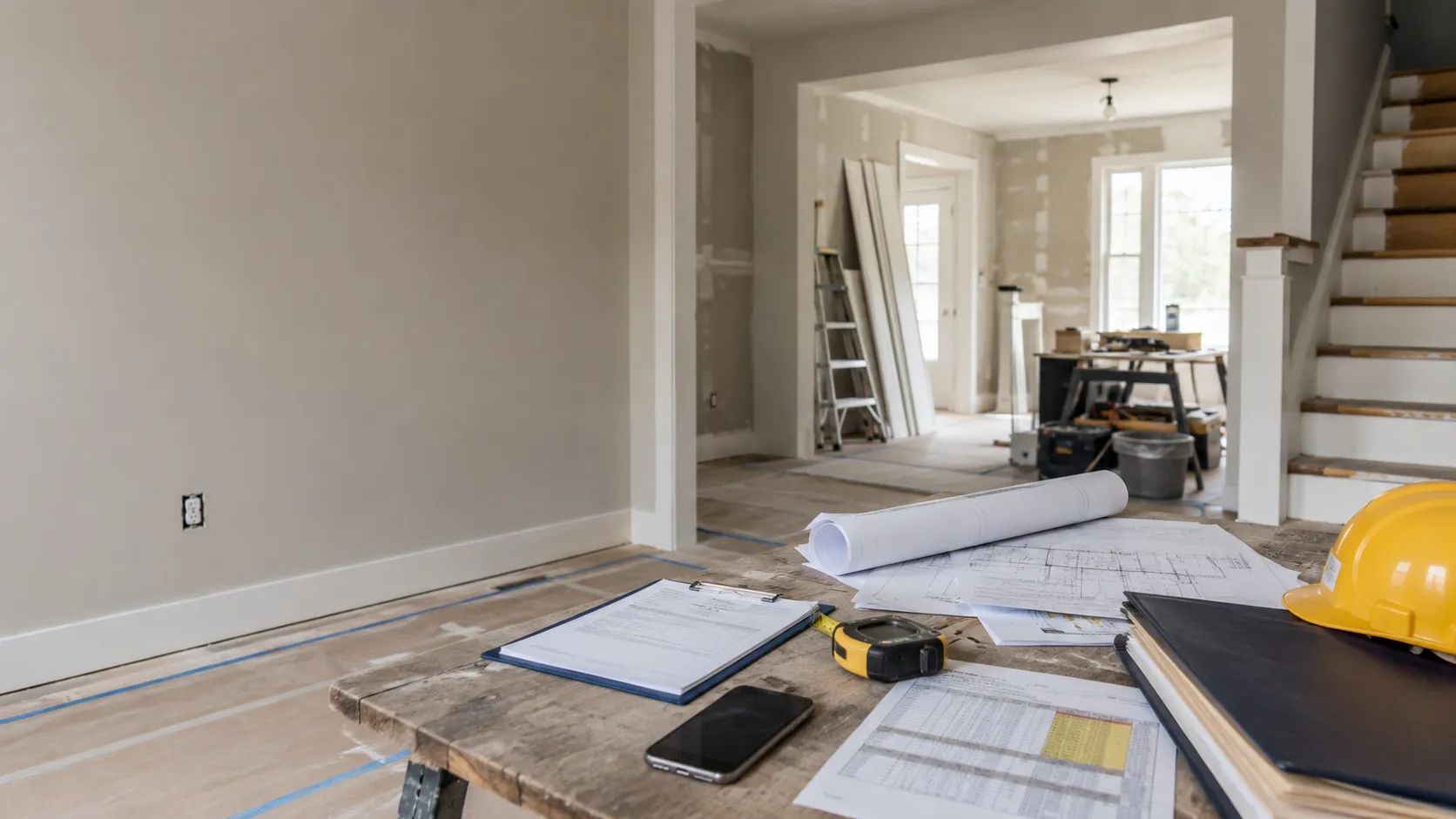
The center of the episode is a flip that looked manageable on paper but became far more expensive than expected. Mikey had completed other successful flips before, but this project introduced a string of problems that included permit delays, contractor issues, village requirements, and a scope that expanded well beyond the original expectations.
The deal did not become a loss, but it came close enough to prove that one bad project can wipe out the margin a flipper expects to earn.
The rehab budget was expected to land around ninety thousand dollars, but it ultimately came in near one hundred thirty seven thousand. Extra requirements such as chimney work, radon mitigation, HVAC insulation, and delay related carrying costs added pressure quickly. The result was a project that finished close to break even instead of producing the expected return.
Upsizing is not only about the rate. It is about whether the next home supports the way your family actually lives. Work with professionals who can help you balance the new payment, the move up strategy, and the timing of the sale and purchase.
Mikey traces many of the project problems back to the contractor relationship. The first GC did not move the job with the urgency required, struggled through the permit process, and failed to keep the project on a reliable schedule. Eventually Mikey had to bring in a second GC, which created another layer of cost and complexity.
The moment a project loses its schedule, money starts leaking through interest, holding costs, change orders, and missed momentum.
One of Mikey’s clearest lessons is that a schedule must be treated as a controlling document, not a loose suggestion. A flip works best when the trades move in sequence and the property is listed quickly. His better projects were typically listed around day sixty one. Once timelines drift, carrying costs and added repairs begin to crowd out profit.
He also emphasizes the hidden cost of permitted work. Pulling permits may be the right move for peace of mind and for a proper resale, but it often brings added inspections, code requirements, time delays, and extra line items that were not obvious at the start. Investors should build a realistic permit contingency into the budget rather than assuming the original scope will survive intact.
Mikey did not walk away from investing after the project disappointed him. He allowed himself to feel the setback, then focused on what the experience taught him. The key lesson was not that flips are impossible. The lesson was that diligence, speed, and contractor control have to stay tight from the beginning.
Experience does not prevent every bad project. It gives you a better chance to survive it, learn from it, and come back stronger on the next one.
That attitude also shapes how he works with other people. Mikey openly shares the mistakes because he would rather help another investor avoid them than pretend every project has gone smoothly. He approaches the industry with an abundance mindset, believing there is more than enough room for people to learn from each other and still build their own success.
For buyers, sellers, and investors alike, the conversation is a reminder that real estate is not won by optimism alone. It is won by disciplined numbers, realistic timing, strong contractor management, and the willingness to correct course when a deal stops behaving the way it should.
The broker, attorney, lender, and contractor all influence the outcome. The more coordinated the team is from the start, the better chance you have of avoiding delays, surprises, and unnecessary losses.
An upsizer is usually a homeowner or buyer moving into a larger property because the current home no longer fits the household. The need may come from children, storage, work from home space, or the desire for a yard and more functional living space.
Sometimes yes. The decision depends on the family’s finances, long term plans, and how urgently the current home no longer works. A higher rate may still be acceptable if the new property solves an important life need and the monthly payment remains manageable.
Budgets often grow because of hidden conditions, permit related requirements, changing contractor pricing, inspection corrections, delayed timelines, and holding costs that accumulate while the property remains under construction.
The GC controls labor coordination, timing, accountability, and the day to day movement of the project. A weak GC can cause delays, cost overruns, and confusion across the entire job, even when the original budget looked reasonable.
Permitted projects may trigger inspection items, code upgrades, specialized reports, additional materials, municipal fees, and timeline delays. Those costs should be anticipated early rather than treated as a surprise after walls are open.
Review the project honestly, identify where the numbers, contractor choice, schedule, or oversight failed, and use those lessons to tighten the next deal. A disappointing project can still be valuable if it improves future decisions.

Tell us what notice you received or your next court date. We’ll confirm where you are in the process and recommend your strongest next move—without panic or guesswork.
We typically respond the same business day or the next business day.
Need help?