
Karolina Klinowski explains why strong real estate representation requires far more than opening doors and writing offers. The conversation covers buyer education, investor due diligence, conflicting soil reports, rehab analysis, lender relationships, client expectations, Illinois and Indiana moves, and the systems she is building after more than 200 transactions.
Karolina approaches real estate as an educational process. She wants buyers and sellers to understand what is happening from the first consultation through closing instead of simply signing documents and hoping the professionals around them handled everything correctly.
A client should leave the transaction understanding the process, the terminology, the major risks, and the decisions that shaped the result.
She believes that experience is better measured by the work performed than by the number of years printed on a business card. Karolina says she has completed 222 individual transactions during six years in the business, and she treats each one as another opportunity to refine the way she communicates and protects the client.
A discount only matters if the final investment still works. Review comparable value, construction costs, local conditions, financing, and the exit strategy before committing significant money.
One of the strongest examples in the episode involves a property intended for new construction. Even though a house already existed on the site, Karolina recommended soil testing because the future project depended on whether the ground could support the planned structure.
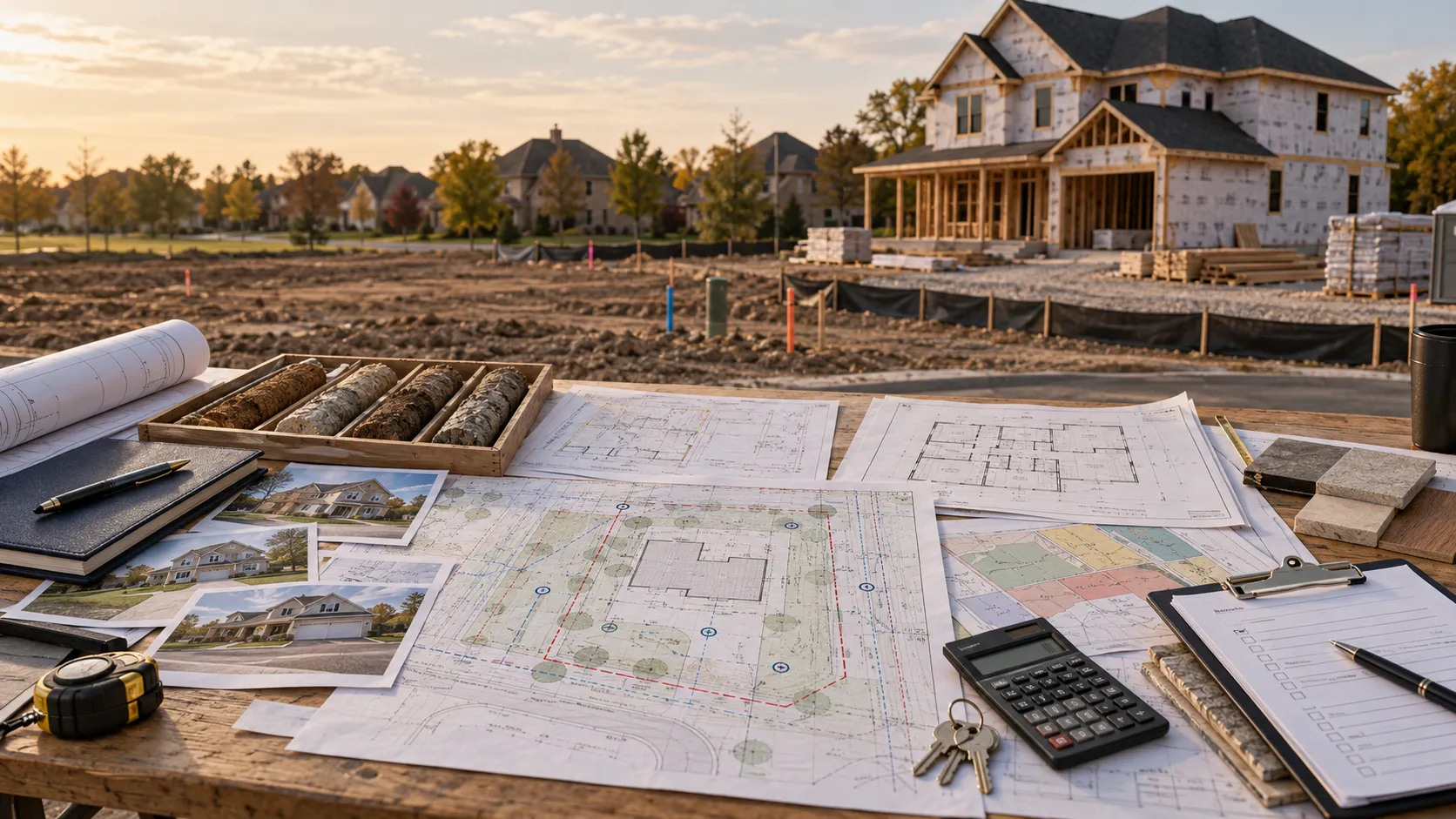
The buyer’s soil report identified weak conditions in the front portion of the site and suggested that correcting the problem could add substantial cost. The seller then obtained another report that reached a very different conclusion. Instead of pretending one answer was automatically correct, the parties moved toward another professional review.
When two qualified reports materially disagree, the safest response is not to guess. It is to investigate until the client understands what risk is actually being accepted.
The larger lesson is that licensing alone does not guarantee identical judgment or quality. Builders and buyers should understand the testing method, the location of the borings, the conclusions in the report, and how the findings affect the construction budget before relying on the site.
Karolina is cautious with rehab opportunities because a low asking price does not automatically create a good investment. She starts with comparable properties, realistic resale potential, neighborhood conditions, property size, and the expected renovation budget before telling an investor whether the numbers appear workable.
The investor should know the realistic exit value before falling in love with the discount on the purchase price.
That sometimes means telling a client not to buy. A property may be priced below nearby homes and still leave too little room after construction, holding costs, financing, commissions, and resale expenses are considered. Karolina would rather lose the transaction than help a client enter a project that begins with a weak margin.
Lots and new construction require more than a purchase contract. Coordinate municipal research, engineering, inspections, title review, financing, and construction professionals early enough to preserve your options.
For lots and construction projects, Karolina researches more than sales data. She contacts the municipality to ask about zoning, setbacks, flood concerns, utilities, sewer access, well and septic requirements, and other conditions that can affect whether the planned home can actually be built.
The purpose is to identify obvious barriers before the client spends additional money on surveys, soil work, plans, and other project costs. Some questions still require engineers, attorneys, builders, or municipal professionals, but the broker can help organize the investigation early.
Due diligence is less expensive before the project is committed than after the excavation begins.
Karolina uses consultations and written educational materials to prepare clients for the transaction. With buyers, she discusses financing expectations, estimated cash to close, taxes, major restrictions during the loan process, and the sequence of professionals involved. With sellers, she wants them to understand estimated net proceeds and the costs that reduce the headline sale price.
Her goal is to prevent the panic that can happen immediately before closing when someone sees a number for the first time. She often coordinates with lenders, attorneys, and title professionals to confirm calculations rather than presenting an estimate as if it were guaranteed.
After years of handling a growing volume of business, Karolina is building more support around herself. She uses a virtual assistant for tasks such as feedback, prospecting, inquiries, and organization, and she is preparing to add agents and transaction coordination support.
Delegation is not about becoming less involved. It is about removing work that prevents the professional from giving clients the attention only that professional can provide.
Karolina also maintains a broad network of lenders, inspectors, contractors, and other specialists because different transactions require different expertise. A first time buyer, a commercial property, a new construction project, and a multifamily acquisition should not automatically be pushed through the same professional pipeline.
The episode closes on a practical version of building your own table. Learn the work, create trusted relationships, build systems around the tasks that repeat, and keep improving the client experience. The business grows when education, due diligence, communication, and the right people reinforce each other.
The broker, lender, attorney, inspector, title company, and contractor each see a different part of the deal. Strong coordination helps the client understand the complete picture before decisions become irreversible.
Soil conditions can affect foundation design, drainage, excavation, structural requirements, and project cost. The appropriate testing scope should be determined with qualified construction and engineering professionals based on the site and planned structure.
Review the methods, locations, assumptions, and credentials behind each report and consider an independent additional opinion when the difference could materially affect safety, cost, or the decision to proceed.
Review comparable properties, realistic resale value, purchase price, renovation scope, financing, carrying costs, taxes, commissions, contingency, and the time required to complete and sell the project.
Depending on the project, buyers may need to review zoning, setbacks, flood information, utilities, water and sewer access, well and septic requirements, building restrictions, permits, and other local development rules.
A consultation helps the client understand financing, estimated costs, the transaction timeline, professional roles, and behaviors that could affect loan approval. It also gives the broker time to understand the client’s actual goals before selecting properties.
Delegation becomes useful when repetitive administrative work begins to reduce response time, prospecting, client attention, or the quality of decision making. The process should be documented and supervised so service improves rather than becoming fragmented.

Tell us what notice you received or your next court date. We’ll confirm where you are in the process and recommend your strongest next move—without panic or guesswork.
We typically respond the same business day or the next business day.
Need help?