Friday, 6:12 pm. The buyer’s agent texts: “Title is raising a red flag.” The deal is supposed to close on Monday. The unit is a small Chicago two unit building, the kind that sells fast because it works as a house hack or a long term rental. Everyone thought the hard part was over.
Important:
This story is fictional and for education only. It is not legal advice. Real outcomes depend on the documents, the court record, the title company, and the specific facts.
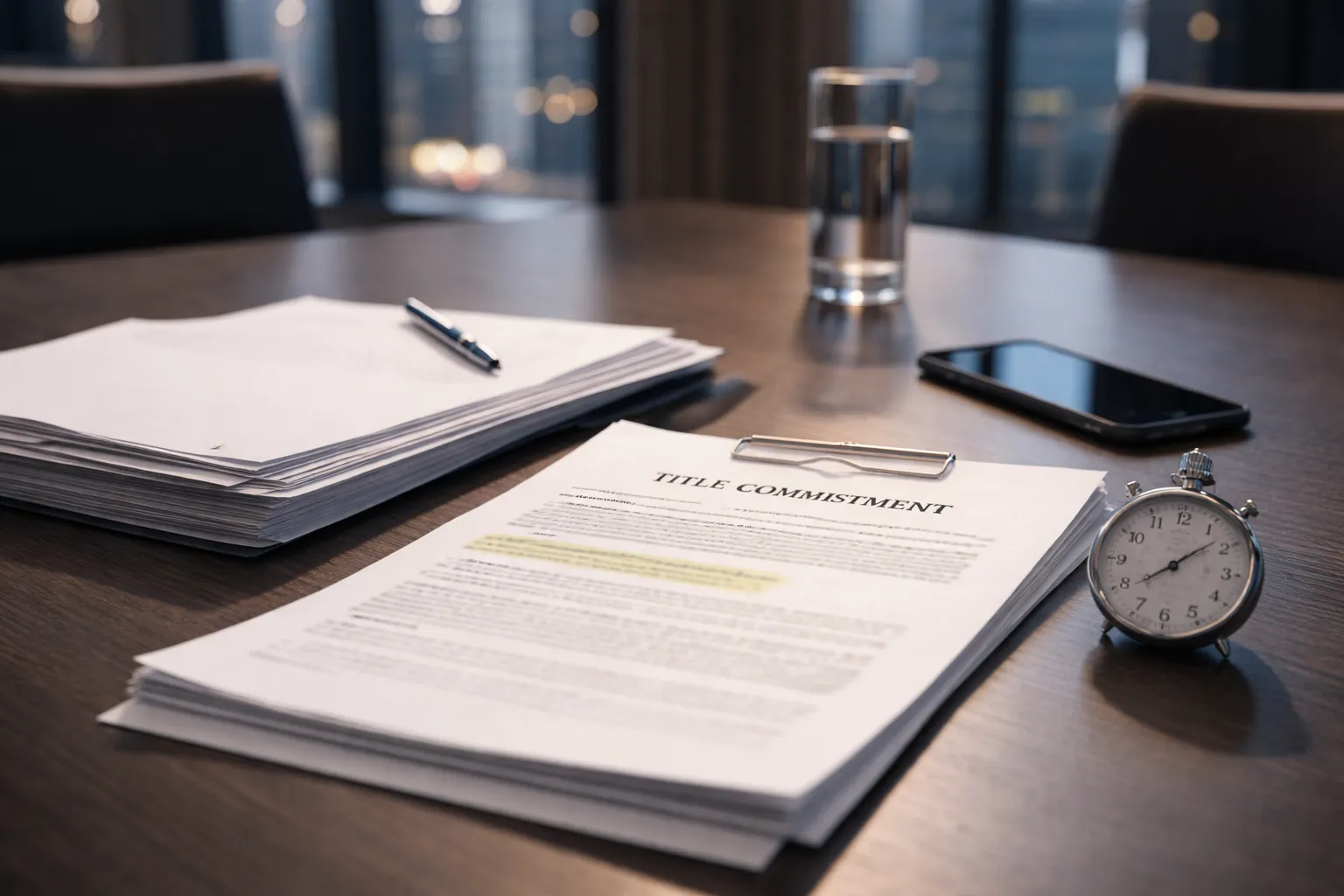
The title commitment arrives with one line that changes the mood instantly: a recorded notice tied to a lawsuit involving the property. Not a judgment, not a lien payoff letter, just a recording that says, in effect, “someone claims this property is part of an active dispute.” The buyer asks the obvious question: “Can we still close?”
Want a pre closing title risk review
If you are under contract in Chicago or Cook County and something feels off, get a fast review before you miss a deadline. We can read the title commitment, trace the recording, and tell you what must be cleared to protect your purchase and your financing timeline.
Act 1: The words that stop a deal, lis pendens
The title officer explains it in one sentence: lis pendens is a recorded notice that a lawsuit affects the property. The recording does not prove who is right, but it warns the world that the property is tied to a dispute. That warning can freeze a closing because lenders and title insurers hate uncertainty.
In Illinois, lis pendens recording is addressed in state law, and foreclosure cases have their own notice of foreclosure rules that function as constructive notice to others.
735 ILCS 5/2 1901, lis pendens735 ILCS 5/15 1503, notice of foreclosure as constructive notice
What it means in real life
The buyer is not being told the deal is dead. The buyer is being told the deal is now a risk decision. If the lawsuit is active, you may inherit the problem. If the lawsuit is old and the recording was never cleared, you might be able to fix it, but not always on a Monday morning timeline.
Title is a record problem.
You do not “argue” your way out of a title exception. You clear it with the right document recorded in the right place, or with a court order that the title company and insurer will accept.
The buyer asks for details. The title officer replies: “We need the case number, the court status, and proof of resolution. If the case is still pending, the lender will likely pause.”
Act 2: The fastest investigation is not a guess, it is a paper trail
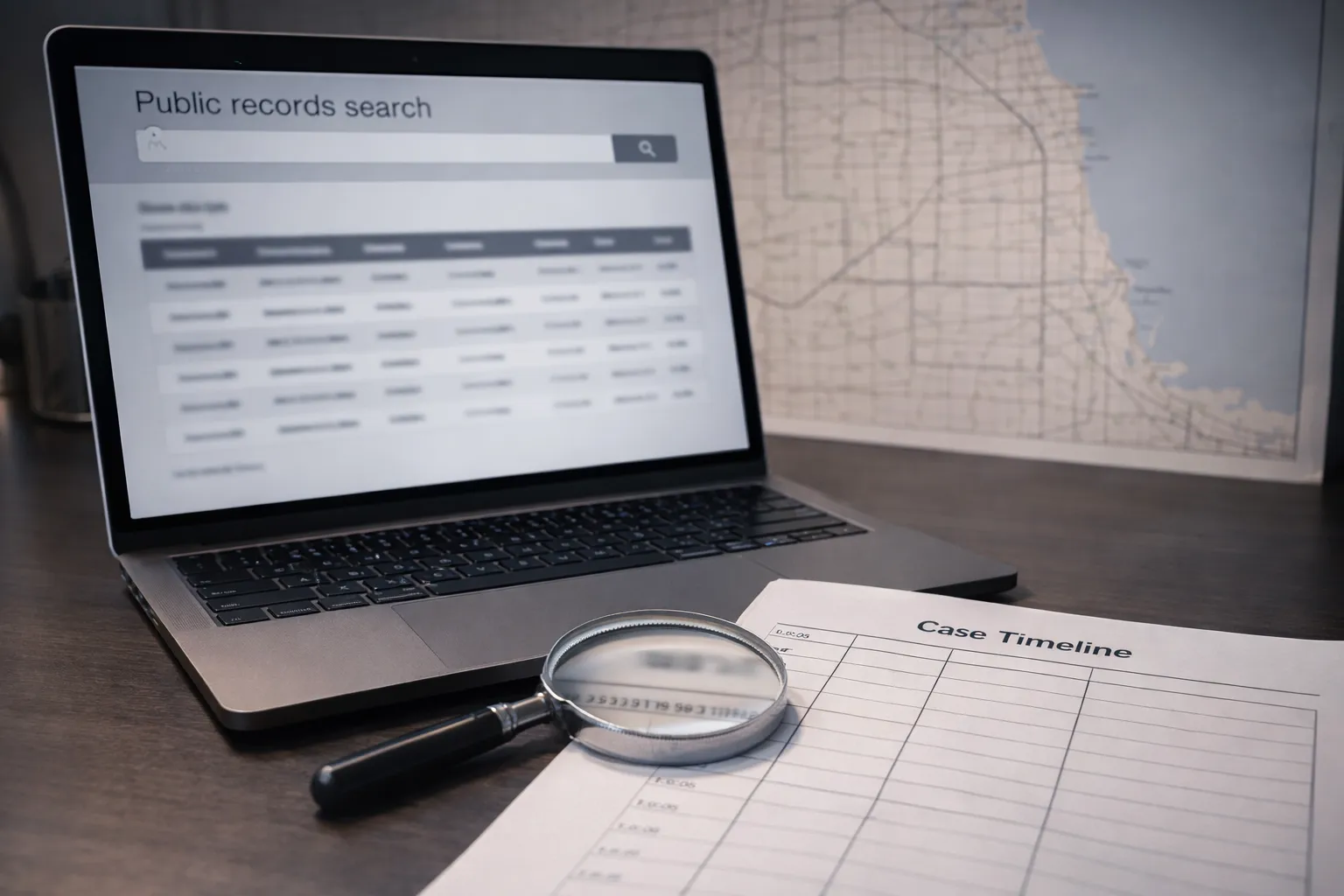
The team starts with three questions. What document was recorded. Who recorded it. Is the court case still active. In Chicago, you can often answer these questions quickly if you know where to look.
First, pull the recorded document from the Cook County recording system. Cook County has moved recording functions into the Cook County Clerk’s Office recordings portal.
Cook County Clerk recordings portal
Do not rely on a screenshot.
For a real clearance plan, you want the actual recorded PDF, the recording date, the document number, and the legal description reference the title company is using.
Second, confirm case status using the Cook County Clerk of the Circuit Court online case information tool. This is often where you find whether a case is open, dismissed, stayed, or moved.
Cook County Clerk of Court online case informationThird, check basic property identifiers, including the PIN, and confirm the address record that will appear in county systems. A public entry point is the Cook County Property Info portal.
Cook County Property Info portal
Need help clearing a cloud on title
A recorded notice can be valid, outdated, or tied to the wrong party. We can help you identify the court case, evaluate your options, and coordinate with title to get the right document recorded.
Act 3: The deal survives, because the fix matches the problem
Here is the twist in our fictional story. The lis pendens was recorded years ago, but the case was resolved and nobody recorded a clean follow up document. The recording stayed on the property record like an unresolved thread, so the title company treated it as a current risk. That is common, and it is why smart teams treat “clearing” as its own workstream.
There are only a few real solutions.
A release or satisfaction document that the insurer accepts, a corrective recording, or a court order that removes uncertainty. Which one applies depends on why the notice exists and what the court file shows.
What to do when you find a cloud on title, a practical playbook
A cloud on title is anything in the public record that makes ownership uncertain. Lis pendens is one form of cloud because it signals a live claim. Other clouds can include unreleased mortgages, old judgments, mistakes in legal descriptions, or gaps in the chain of title. Your job is not to panic. Your job is to map the clearance path and protect your timeline.
Start by aligning with the title company and your lender. Ask exactly what they require to insure and fund. Then build your file so the decision is about documents, not opinions.
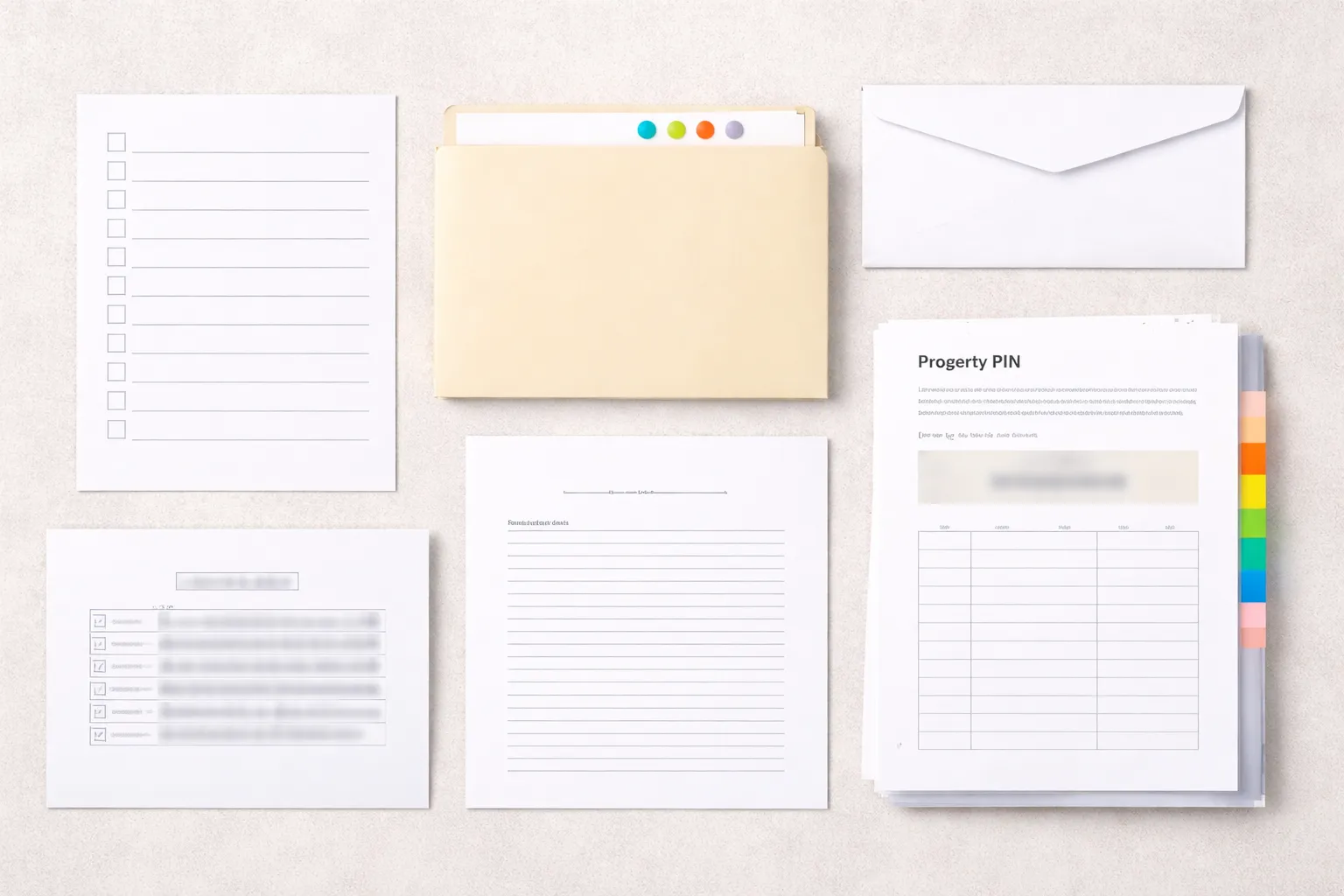
Chicago title surprise checklist
- Title commitment and every exception page, saved as PDF
- The recorded document that triggered the exception, including document number and recording date
- Case number and court status printout from the Clerk of Court portal
- PIN and address confirmation from the Cook County Property Info portal
- A one page timeline of contract dates, lender deadlines, and closing date
- Your question to title in writing: “What exact document will clear this for insurance”
Make the clearance decision easy.
If you give title a clean record pack, they can tell you the clearance target. If you give them a story without documents, the file stalls and your closing date becomes a negotiation, not a plan.
Common mistakes that turn a small issue into a lost deal
The most common mistake is waiting. If the first sign of trouble shows up on a Friday evening, you are already late. Another mistake is treating title as “the title company’s job.” You need to be proactive because the cost of delay is yours, in rate locks, earnest money risk, and missed opportunities.
Another costly error is assuming every recorded notice is wrong. Some are valid and active. If the court file is open, you may need to walk away, renegotiate, or restructure the deal. A clearance plan only works when it matches reality.
Ask one hard question early.
If you closed tomorrow, would you be comfortable owning this property with this claim attached, and could you still refinance or sell without a fight.
Best practice for investors: build a pre contract diligence ritual. Title search early, court search early, property record check early. If you wait until underwriting, you are letting the calendar control your leverage.
How an attorney reviews a story like this
A good review starts by classifying the risk. Is it a foreclosure notice, a general lis pendens, a judgment lien, or a recording error. Then it confirms the court posture, active or closed, and whether there is a clean document path to record a cure. Finally, it evaluates deal strategy: extension, escrow, renegotiation, or exit.
Real estate risk is usually a timing problem.
When you find the issue early, you have choices. When you find it late, you have ultimatums.
If you want to buy in Chicago consistently, treat your diligence like a system, not a scramble. Your best deals are the ones you can close clean, and sell clean.
Investor buying an occupied building
When you buy a property with tenants, your risk is not only title, it is notices, ordinances, and documentation. We can help you build a compliance file that protects cash flow and reduces surprises after closing.
Frequently asked questions
This is general education, not legal advice. If you have an active case or a live closing, get case specific counsel.
Written By: