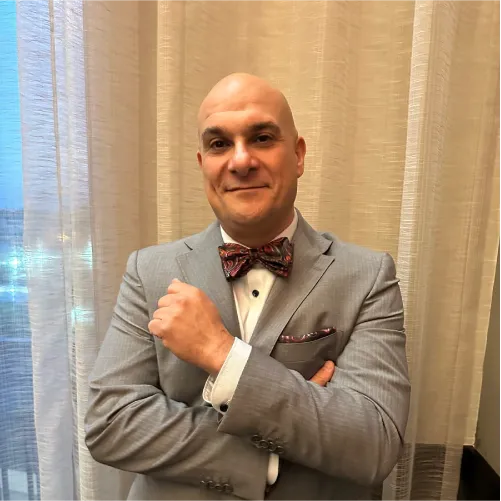
Mahmoud Faisal Elkhatib is a Chicago-based, Illinois-licensed attorney who focuses on foreclosure defense, real estate transactions and disputes, and mortgage-related litigation. Clients come to him when timing matters—served papers, court dates, sale notices, closing deadlines, or a dispute that needs clean documentation instead of chaos.
At a glance- Licensed: Illinois
- Based in: Chicago (serving clients across Illinois)
- Focus: Foreclosure defense, real estate disputes/closings, mortgage litigation
- Education: J.D., UIC John Marshall Law School (Intellectual Property & Patent Law concentration); Chemistry studies at Roosevelt University
Mahmoud’s work is built for real situations: a homeowner trying to protect options in a foreclosure, an investor dealing with a title or closing issue, or a buyer/seller who needs an attorney who reads the documents carefully and keeps the process controlled. His goal is simple—get you organized, identify what matters next, and help you make decisions based on facts, deadlines, and leverage.
Request a Free Case Analysis
Send your most recent paperwork (summons/complaint, motion, court notice, sale notice, contract, title issue). If there’s a court date or sale date, include it so we can prioritize urgency and give you clear next steps.
Chicago-based, serving clients across Illinois
Mahmoud’s practice is rooted in Chicago—where real estate issues move fast and legal procedures can feel intimidating if you’ve never been inside the system. He works with homeowners and property owners across Illinois, especially when the problem involves a foreclosure timeline, a closing that needs strong coordination, or a dispute where the documents matter more than the drama.
Clients often reach out when they’re overwhelmed and trying to answer one question: “What do I do next?” Mahmoud’s job is to turn a pile of paperwork into an understandable plan—what’s pending, what’s controllable, what’s urgent, and what decision actually changes the outcome.
How Mahmoud works: calm, direct, and evidence-first
You should never leave a legal conversation feeling more confused than when you started. Mahmoud’s approach is built around three priorities: clarity, timing, and proof. That means translating paperwork into plain English, identifying the deadlines that control your options, and building your position with clean documentation and communication.
- Clarity: What is happening, what do the documents actually say, and what decision matters next?
- Timing: What deadlines control your options right now (court dates, sale notices, contract timelines, response windows)?
- Proof: Strong positions come from documents, records, and clean communication—not guesses or screenshots without context.
The goal is not to “sound legal.” The goal is a strategy you can explain: what you’re trying to protect, what steps come first, and what the realistic paths are if the other side refuses to cooperate.
Practice focus: foreclosure, real estate, and mortgage disputes
Mahmoud focuses on matters where documentation and timing decide outcomes—especially when a homeowner, buyer, seller, or investor needs a calm attorney who can move quickly and communicate clearly. His work often centers on foreclosure defense strategy, mortgage servicer disputes, and real estate transactions and conflicts that require precise review and strong follow-through.
- Foreclosure defense: served summons/complaint, Cook County foreclosure timelines, motion practice, negotiation strategy, sheriff sale questions, post-judgment urgency
- Mortgage disputes / litigation: servicing errors, payment application issues, escrow disputes, loss mitigation documentation problems, lender/servicer communication breakdowns
- Real estate transactions & disputes: closings, contract review, title and distressed property issues, dispute prevention, problem-solving when a deal is at risk
If your matter is urgent, the first priority is simple: identify what is pending, confirm the next date (if any), and prevent “silent” mistakes that shrink your options. If your matter is transactional, the priority is control: reduce last-minute surprises and keep the file clean so your closing is not derailed.
Foreclosure Pressure or Court Deadlines?
If you were served, have a hearing coming up, or you’re worried about a sheriff’s sale, don’t guess. Call to confirm what stage you’re in and what options are realistic from this point forward.
What the first conversation is designed to solve
Most people call because something just happened: they were served papers, a lender communication suddenly changed, a court date is approaching, or a closing is getting messy. The first conversation is not about perfection—it’s about triage and clarity.
- Stage: What stage are you in right now?
- Deadlines: What date controls your next step?
- Documents: What do the papers actually say—and what’s missing?
- Goal: What outcome are you trying to protect (time, options, property, clean closing, controlled exit)?
Education and professional background
Mahmoud earned his J.D. from UIC John Marshall Law School, with a concentration in Intellectual Property & Patent Law, and studied Chemistry at Roosevelt University. His background reflects what clients see in practice: a documents-first mindset, comfort with complexity, and a focus on building strategy around proof, timing, and clear communication.
He also spends time in education and community conversations around real estate—helping owners, investors, and everyday homeowners understand risk, paperwork, and the practical steps that prevent avoidable problems before they become expensive ones.
Working with owners, investors, and small landlords
Real estate problems don’t happen in a vacuum. Multi-unit properties can add pressure: tenants, rent documentation, property condition issues, and communication mistakes that escalate disputes. When the property is occupied, timelines and coordination matter even more.
Common pain points Mahmoud helps untangle:- Tenant-related complications during a dispute or foreclosure
- Rent records and documentation issues
- Title or distressed-property problems that delay closings
- Contract conflicts and unclear responsibilities
The goal is to reduce risk, protect leverage, and keep your decisions grounded in what the documents and deadlines actually require.
What to bring (so we can move faster)
If you want clear next steps, bring the paperwork. The fastest way to waste time is trying to explain everything from memory while the key document is sitting in your email or court packet.
- Your most recent notice: summons/complaint, motion, court notice, or sale notice (if applicable).
- Your timeline: a short summary of what happened and when (missed payments, hardship, modification attempts, contract dispute dates).
- Your proof: letters, emails, portal screenshots with context, payment history, escrow notices, denial letters, and anything you received from the lender/servicer or the other party.
Call (312) 775-0980 or request a free case analysis.
If you have a court date or a sale date, mention it first.
Once the file is reviewed, the next step is a plan you can understand: what’s urgent, what’s optional, what’s realistic, and what actions actually protect your position.
Next step: clarity first, then the strategy
If your situation feels urgent, that doesn’t mean you need panic—it means you need structure. The right next step is usually the same: gather the documents, identify the deadline that controls your options, and get guidance that is calm, direct, and evidence-based.
Want clarity fast?
Tell us what you received, what date is coming up next, and what you’re trying to protect. If there’s a court date or sale date, mention it first.
If you’re not sure what to ask, start here: “What stage am I in, what deadline controls my next step, and what are my realistic options from this point?”
Disclaimer: This page is for informational purposes only and does not create an attorney-client relationship. It is not legal advice. Results vary based on facts, documents, timing, and procedures.
Real Estate Closing or Dispute?
If your issue is transactional, the goal is control: reduce last-minute surprises, keep timelines realistic, and make sure the closing reflects what you actually agreed to. Start with a document review and a clear plan.
FAQ about working with Mahmoud Faisal Elkhatib
Search-style questions with plain-English answers (general information only).
Written By: