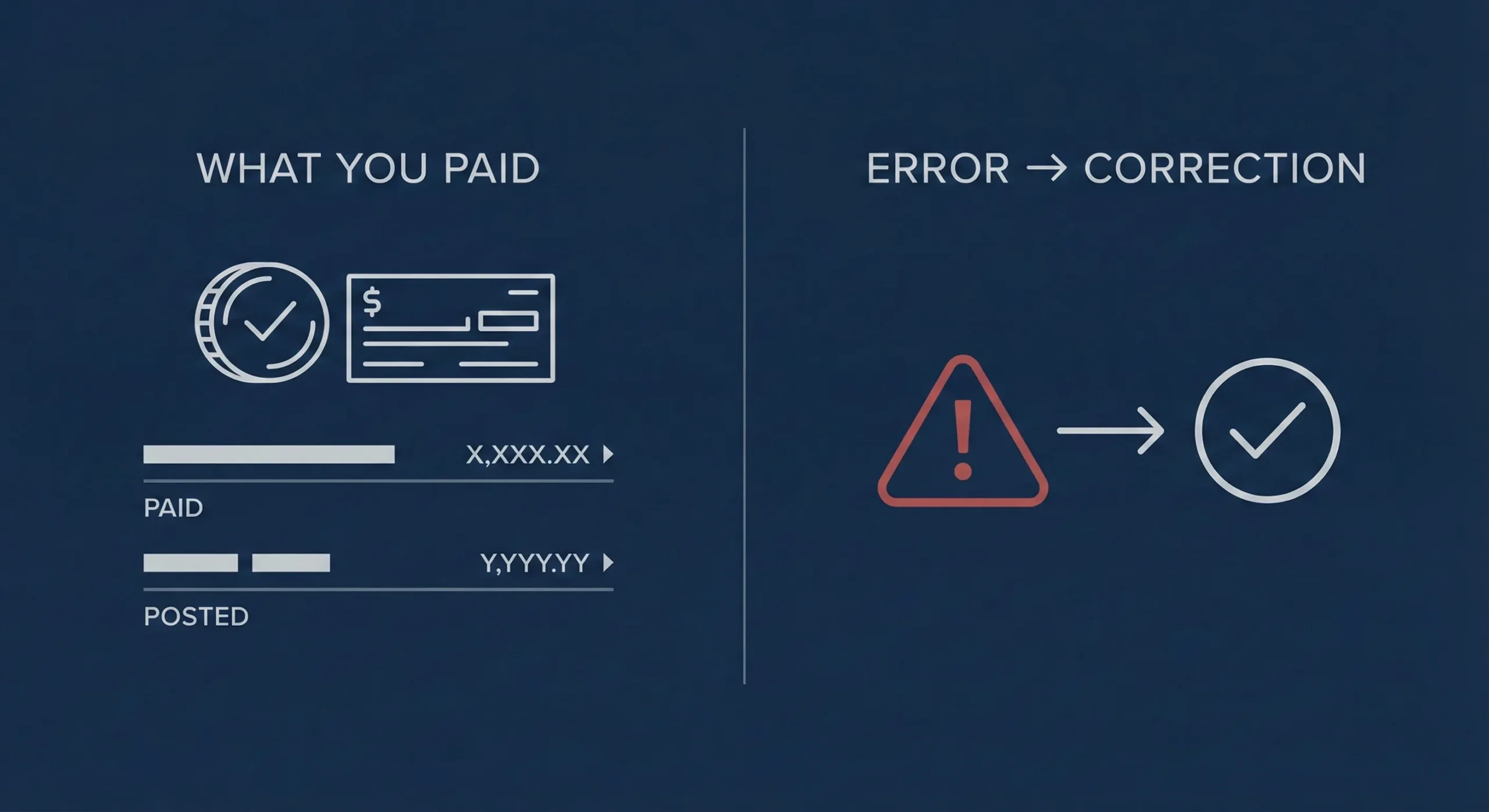
A mortgage dispute is not always a “foreclosure defense” problem—and it’s not always solved by customer service calls. Sometimes the dispute is about the servicer’s conduct: how they posted payments, how they treated a modification request, how they calculated escrow, or how they communicated (or failed to communicate) while you were trying to fix the situation.
Mortgage litigation is the structured way to force clarity: identify the issue, build a record, and push for a correction, protection, or accountability through the legal process.
Important: Litigation strategy depends on timing. If a foreclosure is already pending, you may need a plan that addresses the court case and the servicing dispute at the same time—without making the situation worse. If you’re under deadline pressure, get case-specific advice quickly.
Below, we’ll break down common mortgage litigation scenarios, what evidence matters most, what the process can look like in Illinois, and how counsel changes the leverage and the outcome compared to going it alone.
Need a fast file review?
Send your notice, payment history, and servicer letters. We’ll identify the strongest issues and the quickest next move.
What “Mortgage Litigation” Really Means
Mortgage litigation is a legal dispute involving a mortgage loan—often focused on the
servicing of the loan (how the account is handled) or the
enforcement of the loan (how foreclosure is pursued).
Depending on the facts, litigation may involve:
- Stopping or correcting wrongful conduct (injunction-style relief)
- Forcing accurate accounting (payment posting, escrow, fees, balances)
- Challenging defective enforcement (standing, documents, notices)
- Pursuing damages when the law allows it
Mortgage Litigation vs. Foreclosure Defense
Foreclosure defense is usually focused on the foreclosure lawsuit itself. Mortgage litigation can be part of that defense—but it can also be a separate dispute about servicing errors, unfair practices, or broken loss-mitigation handling.
In practice: many cases require both mindsets—defend the foreclosure timeline while building leverage around what the servicer did wrong.
Quick mindset shift: Don’t argue feelings. Build a record. The strongest cases are the ones you can prove with documents, dates, and a clean timeline.
If your loan history is messy, the goal is not to “tell the story louder.” The goal is to turn the story into exhibits that a judge (or opposing counsel) can verify quickly.
Common Mortgage Litigation Issues We See
Most mortgage disputes fall into a handful of patterns. The key is identifying which pattern fits your file—because the evidence and strategy change depending on the theory.
Common issue buckets:- Payment misapplication: payments posted late, to the wrong bucket, or not credited properly
- Escrow errors: incorrect shortages, force-placed insurance disputes, surprise payment jumps
- Fee stacking: unexplained inspection fees, default fees, or inflated costs
- Loss mitigation mishandling: “lost” documents, unreasonable denials, repeated resubmissions
- Foreclosure conduct: pushing the case forward while you’re actively working a valid application
These cases are won by verification. If the numbers are wrong, we show where. If the process was mishandled, we show what was submitted, when, and how the servicer responded.
Foreclosure already filed?
We can evaluate defensive options and whether the servicing dispute supports motions or leverage in court.
Servicing Rules and Why the Paper Trail Matters
Federal mortgage servicing rules (including Regulation X and Regulation Z) set procedural requirements for servicers in areas like loss mitigation and periodic statements. These rules don’t automatically guarantee a specific modification outcome—but they can matter when a servicer mishandles the process or fails to follow required steps.
Practical takeaway: Keep every letter, every upload confirmation, and every denial notice. In litigation, that paper trail becomes the difference between “they say / you say” and “here are the exhibits.”
What Evidence to Gather Before You Escalate
If you want a realistic evaluation, you need the core file. You don’t need everything—just the items that let us build a clean timeline and verify the numbers.
Bring this first:- Foreclosure documents (if a case is pending): complaint, summons, key motions
- Payment history (servicer’s ledger) and your proof of payment
- Escrow analysis and insurance documents (if escrow/insurance is the issue)
- Loss mitigation record: application package, upload receipts, denial letters
- All notices: default letters, acceleration notices, sale-related communications
The 60-Second Timeline Format That Works
A clean timeline is a weapon. We typically reduce the story to something like this:
- Date: what you submitted or paid
- Date: how the servicer responded (or didn’t)
- Date: what the foreclosure case did next
- Exhibit: the document that proves each step
Goal: if a judge or opposing counsel can understand the dispute in one minute, your leverage goes up.
If your file is disorganized right now, that’s normal. We can help you turn the chaos into a clean record so the case is argued with proof, not panic.
What Mortgage Litigation Can Achieve
Every case is different, but mortgage litigation often aims at one (or more) of these outcomes:
- Corrected accounting (balances, fees, escrow treatment)
- Process enforcement (proper handling of loss mitigation steps)
- Foreclosure leverage (better settlement posture, stronger motions)
- Injunction-style relief when appropriate
- Damages when the law and facts support it
Honest expectation: the strongest outcomes usually come from a strong record. If the evidence is thin, we focus first on building what the case needs.
Sometimes the “win” is stopping a wrongful push toward judgment. Sometimes it’s forcing the servicer to treat an application correctly. Sometimes it’s a settlement that gets you a controlled landing. The correct goal depends on your timeline and your risk tolerance.
How We Help
We approach mortgage litigation like a disciplined project: identify the legal theory that fits your facts, build a clean record, then choose the fastest leverage point that makes sense for your timeline.
Typical workflow:- Document intake: notices, ledger, application record
- Issue mapping: servicing error vs. loss mitigation vs. foreclosure enforcement
- Timeline + exhibits: the “proof file”
- Strategy: negotiated resolution, targeted motions, or litigation track
If you’re in active foreclosure, we also look at how Illinois foreclosure procedure interacts with your servicing dispute—because timing and posture matter under the Illinois Mortgage Foreclosure Law.
If you want a fast start, send your most recent notices and your payment history. We’ll tell you what’s strong, what’s missing, and what to do first.
Prefer to talk it through?
Call (312) 775-0980 for a focused strategy call and a clear evidence checklist.
Frequently Asked Questions
Mortgage litigation basics—explained in plain English. Educational only; not legal advice.
Written By: