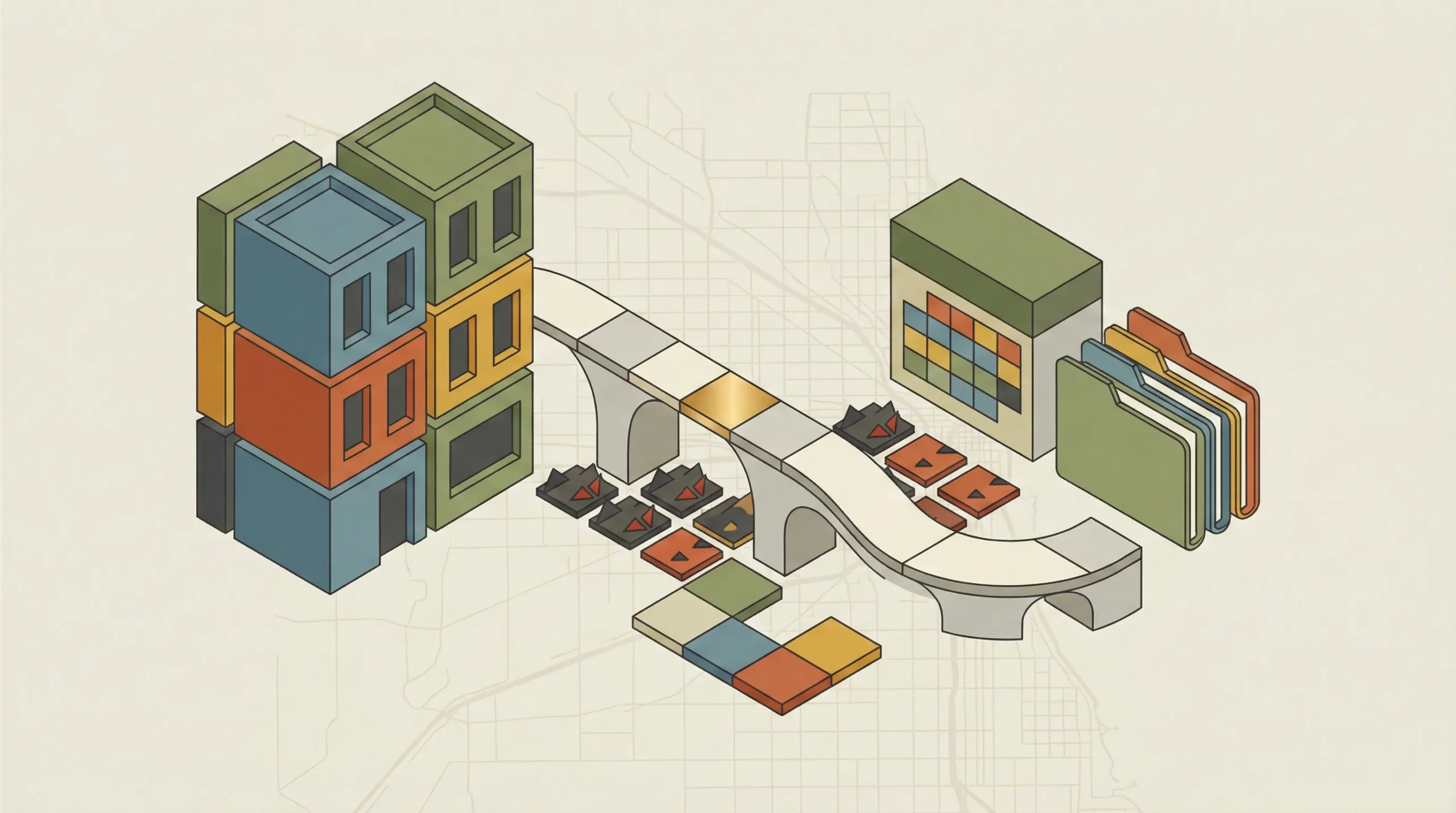
Searches like landlord foreclosure Illinois tenants and 2 to 4 unit foreclosure usually come from the same place: you are trying to keep the building stable while a lawsuit is hanging over it.
In Chicago and Cook County, small landlords often feel trapped between a bank timeline and tenant expectations. The mistake is trying to solve that pressure with shortcuts. In foreclosure, shortcuts are what create side cases, code problems, and tenant claims that make everything harder.
Educational only: This article is general information, not legal advice. Tenant rules can vary by location, building type, and the facts in your file. If you have a court date, a receiver issue, or a tenant conflict that is escalating, get case specific guidance.
The goal here is simple: keep your tenant situation from becoming the reason you lose leverage. That means clear communication, clean rent records, and zero self help moves. If you want more practical real estate education and courtroom reality, you can also explore resources at
thebowtieattorney.com.
Free Case Analysis
Send your newest foreclosure document plus your leases and rent ledger. If there are tenant complaints or repair requests, include those too. We will help you identify your risk points and a safer plan.
Call 312 775 0980 or request a free case analysis.
The big picture: foreclosure does not pause your landlord duties
For much of a foreclosure case, you may still be the titled owner and the day to day landlord. That usually means tenants still live there, repairs still matter, and rent still needs to be handled correctly. Foreclosure is not a free pass to ignore the building or the lease.
From a risk standpoint, this is the danger zone for small landlords: you are stressed, cash is tight, and you start delaying maintenance or avoiding tenants. That is how code complaints, rent disputes, and claims of harassment start.
What the judge and the other side care about
Courts care about stability and documentation. If a tenant issue turns into chaos, it can trigger receiver arguments, emergency motions, or surprise costs that make the foreclosure harder to manage.
Protect yourself with three habits:- Keep the building habitable: respond to heat, water, electric, and safety issues quickly.
- Keep records clean: rent ledger, deposit ledger, repair log, and copies of notices.
- Keep communication calm: written, factual, and consistent.
If the court appoints a receiver, your role can shift. That is why you should be ready for the possibility and keep your tenant records organized now, not later.
Tenant communication during foreclosure: what to say and what not to say
Tenants get anxious when they hear the word foreclosure. If you disappear, they assume the worst. If you threaten them, you create risk. A calm, short message is usually the best approach: you acknowledge that the property is in a legal process, that rent is still due as normal unless notified otherwise, and that repairs should still be requested through the usual channel.
A simple script you can adapt:
“If you have heard about the foreclosure case, I understand it is stressful. The building is still being managed and you should continue paying rent as directed unless you receive written notice of a change. Please send repair requests in writing to the usual contact so we can track and respond.”
Avoid making promises you cannot keep. Avoid predicting move out timelines. Avoid telling tenants they will be out in thirty days, especially in Chicago where tenant protections can be stronger and timelines can be misunderstood.
Tenants Threatening to Withhold Rent
Do not guess and do not escalate. Clean records and calm responses protect you. We can help you set a communication plan that avoids mistakes.
Rent handling: where small landlords make avoidable mistakes
Rent handling becomes sensitive during foreclosure because it can become evidence later. It can also become a flashpoint if a receiver is appointed or if tenants are confused about who the rightful payee is.
Do this the clean way:- Keep a rent ledger: dates, amounts, method of payment, and any partial payments.
- Give receipts: especially for cash payments. Better yet, avoid cash.
- Separate security deposits: track them clearly by unit and tenant.
- Do not double dip: if a court order shifts rent collection to someone else, stop collecting immediately and notify tenants in writing.
Self help disasters: the moves that create the worst outcomes
When landlords feel pressure, the temptation is to force a result. That is where the worst mistakes happen: changing locks, shutting off utilities, removing doors, threatening to throw property out, or trying to scare tenants into leaving.
Even if you think the building will be sold anyway, those moves can create serious consequences. They can trigger tenant claims, city complaints, and fee exposure that follows you beyond the foreclosure.
What to do instead when you need the building stabilized
Stabilizing a 2 to 4 unit during foreclosure is mostly about process: written notices, documented repairs, and predictable communication. If you need a move out plan, talk to counsel about lawful options that do not involve threats or utilities.
Never do these:- Lock changes without a court process
- Utility shutoffs to force a move out
- Harassment or retaliation after complaints
- Removing doors, windows, or appliances to pressure tenants
If you have a tense tenant relationship, your best leverage is calm documentation. You want to be the person with records, not the person with text messages that look like threats.
Chicago and Cook County reality: why timing and paperwork must match the court calendar
In Cook County foreclosure cases, court dates and motions can move your timeline quickly, especially after key orders. If you plan to sell the building, pursue a workout, or negotiate an exit, tenant stability matters. Buyers, title companies, and lenders all care about occupancy, leases, deposits, and violations.
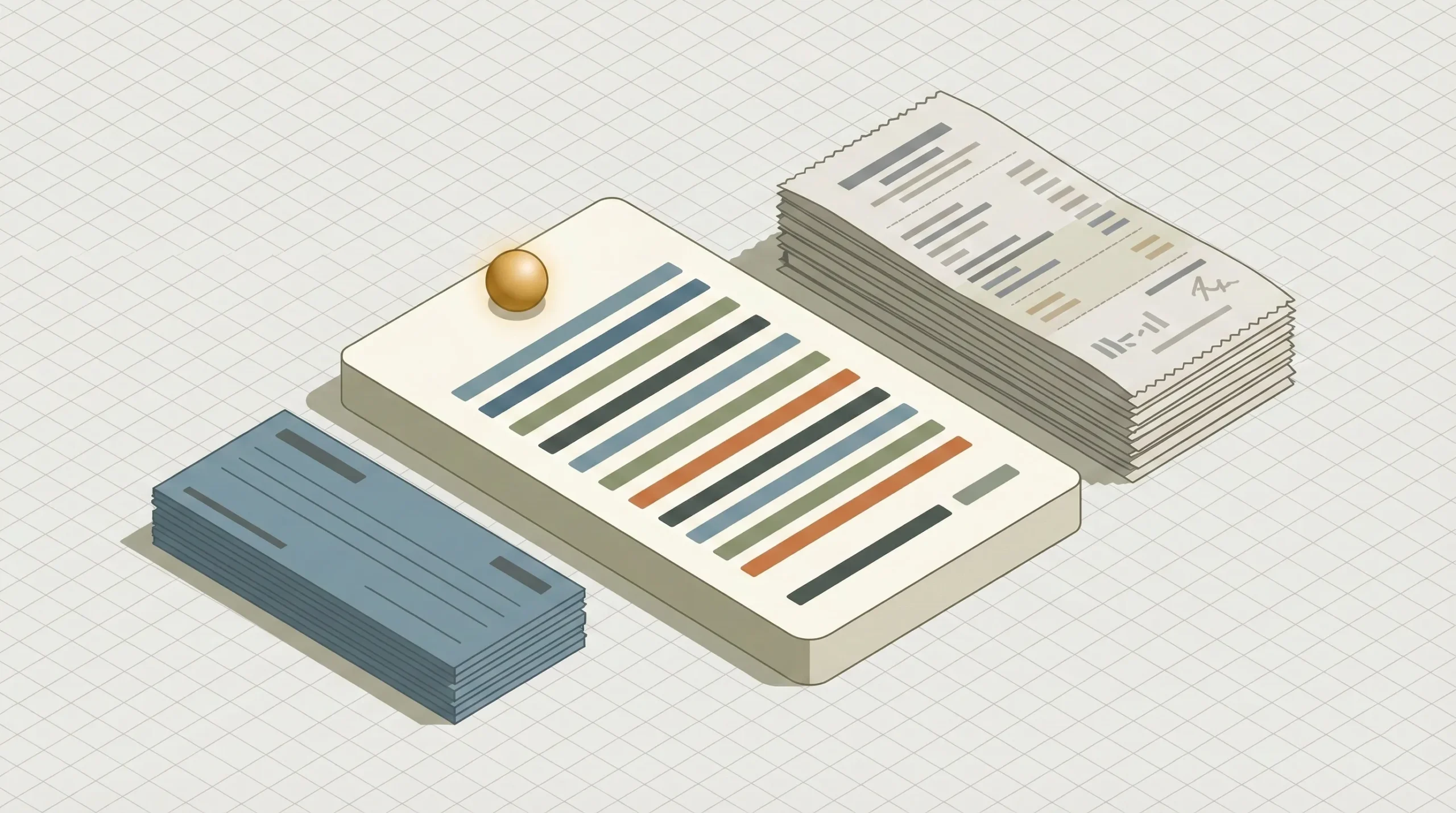
Between hearings, build your file:- Leases: the current lease for each unit, including renewals and addenda.
- Rent ledger: last twelve months if possible.
- Deposit ledger: amounts, dates collected, and where held.
- Repair log: requests, vendor invoices, and photos of completed work.
- Code notices: any city notices, inspections, or violation letters.
- Insurance: declarations page and proof of payment.
Call 312 775 0980 or request a free case analysis.
If you have a court date coming up, include the date and any motion notices you received so we can triage urgency.
This is how you turn the foreclosure period into a controlled plan instead of a spiral. You cannot control everything, but you can control your documentation and your decisions.
The takeaway for 2 to 4 unit owners
Small landlords do not get in trouble during foreclosure because they are bad people. They get in trouble because stress pushes them into rushed moves. The best strategy is boring and effective: keep the building safe, keep records clean, and do not create new legal problems.
If you remember one thing:
Foreclosure is one lawsuit. Tenant chaos can create a second one. Your job is to prevent the second one.
Disclaimer: This page is for informational purposes only and does not create an attorney client relationship. It is not legal advice. Results vary based on facts, documents, timing, and court procedures.
If you want help, start with your newest foreclosure filing and your tenant documents. The faster we understand the timeline and the occupancy facts, the easier it is to protect options.
Receiver Questions or Court Notices
If a receiver may be appointed or the court has entered an order about possession or rents, rent handling can change fast. Bring the newest filing for review.
Landlord Tenant Foreclosure FAQ (Illinois)
Search style questions with plain English answers (general information only).
Written By: