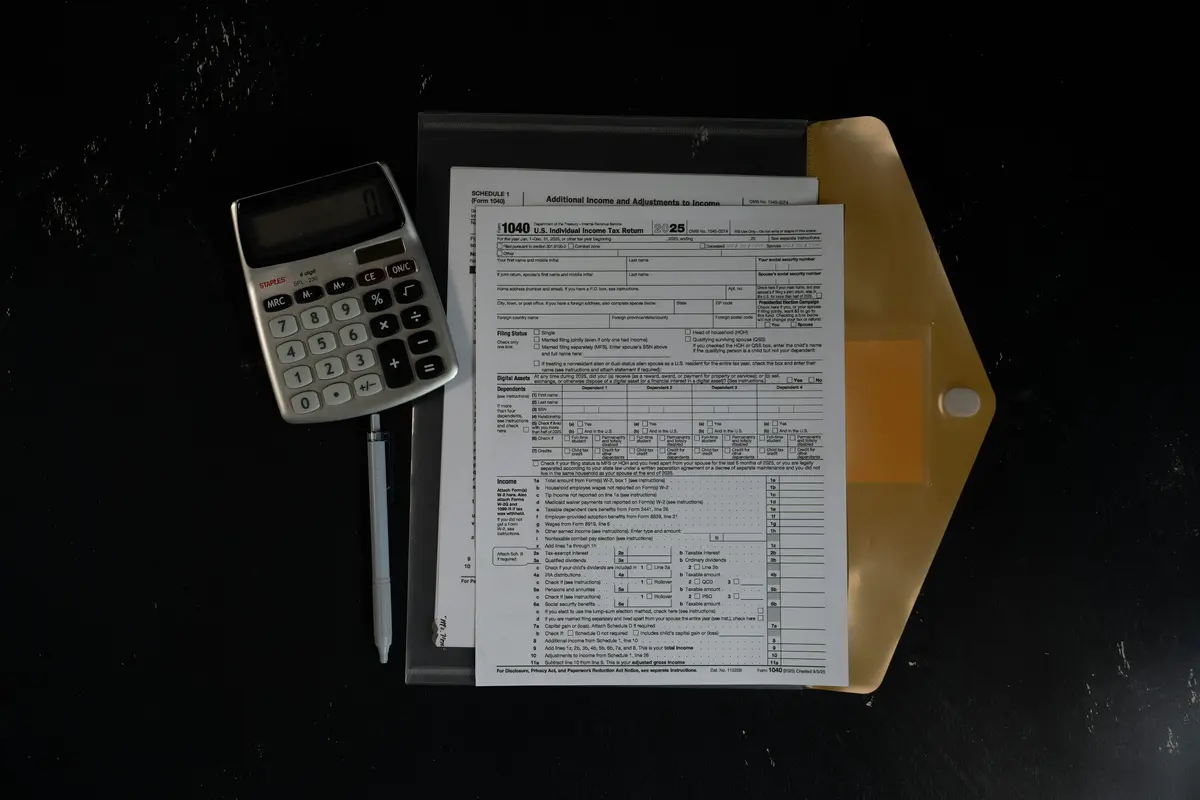
Your hours were cut, a contract ended, or a household wage disappeared. The mortgage may still be current, but the next payment no longer fits. This is a useful moment to organize the facts and ask about assistance, rather than guessing how long savings will cover the difference.
You can ask about help before you have missed a payment.
Do not create a delinquency just to try to qualify for a program.
This guide is for Illinois homeowners preparing for that first conversation. It does not establish eligibility, recommend skipping a payment, or replace a review of any court papers already received. The practical goal is to turn a vague concern into specific questions and a documented next step.
A financial change and a legal notice at the same time?
EV Häs, LLC Attorney at Law can review the foreclosure documents and help you identify the legal questions requiring attention.
Request a consultation. Bring the newest statement and every court notice.
Start with the next payment, not a worst-case prediction
Build a one-page cash-flow snapshot
List the next mortgage amount, its due date, reliable take-home income, and essential expenses due in the same period. Put one-time money, such as a final paycheck, in a separate column so it is not mistaken for recurring income.
A possible job offer is not the same as confirmed income.
For your own planning, use realistic dates for money you expect to receive. If an application asks for gross income instead, follow that instruction and label the figure accurately. Do not substitute one measure for another without explaining it.
Describe the change without making promises you cannot keep
A concise opening might be: “My regular hours were reduced this month. I am current today, but I expect a shortfall for the next payment. Which assistance process should I use?” This is an example of a conversation starter, not a statement that any particular program must be offered.
Ask what is available for your actual loan.
Write down the representative’s name, the department, and the requested next action. Ask whether another team must review the request. If the answer is unclear, repeat the question in your own words and ask for written instructions through the verified account channel.
Make the first call concrete
Write down the payment due, the money actually available, and the date your income changed. Keep unknowns clearly marked.
Compare the future payment, not just the immediate relief
The important question is what you will owe next, and when.
Test a proposal against your current household budget
Consider a hypothetical household with $3,800 in dependable monthly take-home income and $2,200 in essential non-mortgage expenses. That leaves $1,600 before allowing for irregular costs. A proposed $1,900 mortgage payment would still leave a gap; a reassuring program name would not remove it.
Those figures are an illustration, not a qualification formula. Your servicer may use different income calculations. The point is to identify a mismatch early and explain it with records instead of accepting an amount based on hoped-for overtime or a job that has not started.
Questions to take into the assistance conversation
- What amount would be due during the arrangement?
- How are unpaid amounts treated afterward?
- Which income documents are required for my loan?
- Is this a proposal, a trial, or a final approval?
- What must I sign or return, and by what date?
- How will I receive confirmation of the next step?
Keep the written proposal with the budget used to evaluate it.
If the proposal changes, update the comparison rather than writing over the old figures. Retaining both versions helps you explain why a payment looked feasible during one conversation but not after the terms changed.
Create a follow-up routine that does not depend on memory
Save the application, uploaded files, confirmation messages, and correspondence in one folder. Use dates in filenames. Keep a short list of open questions, with the person or department expected to answer each one.
If your income changes during review, ask how to provide an update. Label a new pay statement or corrected figure clearly so the reviewer can distinguish it from an earlier submission. Avoid sending multiple inconsistent versions without explanation.
A submitted request is not the same as an approved arrangement.
Review the next statement against what was confirmed. If an unexplained balance or charge appears, preserve it and ask a precise question. Do not assume that a pending conversation has changed the payment terms.
Keep account assistance and legal deadlines separate
An account discussion and a court case are not interchangeable. If a summons, motion, order, or sale notice arrives, have the actual document reviewed promptly. Do not decide that it can be ignored because someone is looking at your financial paperwork.
Early organization helps you ask better questions; it does not guarantee an outcome.
For another preparation tool, see our
foreclosure consultation checklist. Bring both the hardship history and any proposed agreement so the financial and legal issues can be considered together.
General information only, not legal advice. Loan type, program requirements, applicable law, and individual circumstances matter. Sources reviewed October 26, 2026. Attorney advertising. No outcome is guaranteed.
Ask for the next step in writing
A useful follow-up identifies the application, required documents, submission method, and how receipt will be confirmed.
Questions when income falls before a missed payment
Start with accurate facts and verified instructions.
Written By: