You have a payment confirmation, but the statement still looks wrong. Or a charge appears that no one has explained. Before concluding that the whole account is incorrect, identify the particular entry, amount, and date you want reviewed. A narrow question is easier to support with evidence.
Describe what happened, what your records show, and what needs an answer.
Keep those three points separate.
This article explains a preparation approach for Illinois homeowners. It does not determine whether a particular act violates the law or whether a notice meets every requirement. The type of loan, issue, timing, and correspondence all matter.
An account discrepancy is affecting a foreclosure matter?
EV Häs, LLC Attorney at Law can review the statements, correspondence, and court documents together.
Request a consultation. Bring both sides of the discrepancy.
Name the issue before selecting the process
Use a specific account entry
Write down the statement date, the disputed transaction, and the supporting document. For a payment question, distinguish the date you initiated a transfer from evidence that funds were received and how they were applied.
An unexplained entry is a question to investigate, not proof of wrongdoing.
Avoid broad allegations you cannot support. If you are uncertain whether the problem is a posting delay, a different accounting category, or an actual error, say what you know and identify what you need clarified.
Understand the two written routes
Regulation X section 1024.35 addresses covered notices of error.
Section 1024.36 addresses requests for information about the mortgage account. A submission can raise both, but it should clearly identify the error asserted and the information requested.
The content matters more than an impressive letter title.
A useful preparation note might identify a payment missing from a specified statement and separately request the history showing how that payment was handled. This is an example of organizing a question, not a complete legal notice or a substitute for tailored drafting.
You need records before drawing a conclusion?
Identify the transaction period and the particular information that would explain the entry. Avoid substituting speculation for a missing record.
Find the correct address before sending
The
CFPB’s correspondence guidance cautions that a servicer may designate a specific address for these submissions. Do not assume that the payment address or a general chat window is the correct destination. Keep the letter separate from a payment coupon.
Verify the destination through a reliable servicer source.
Build a small evidence packet
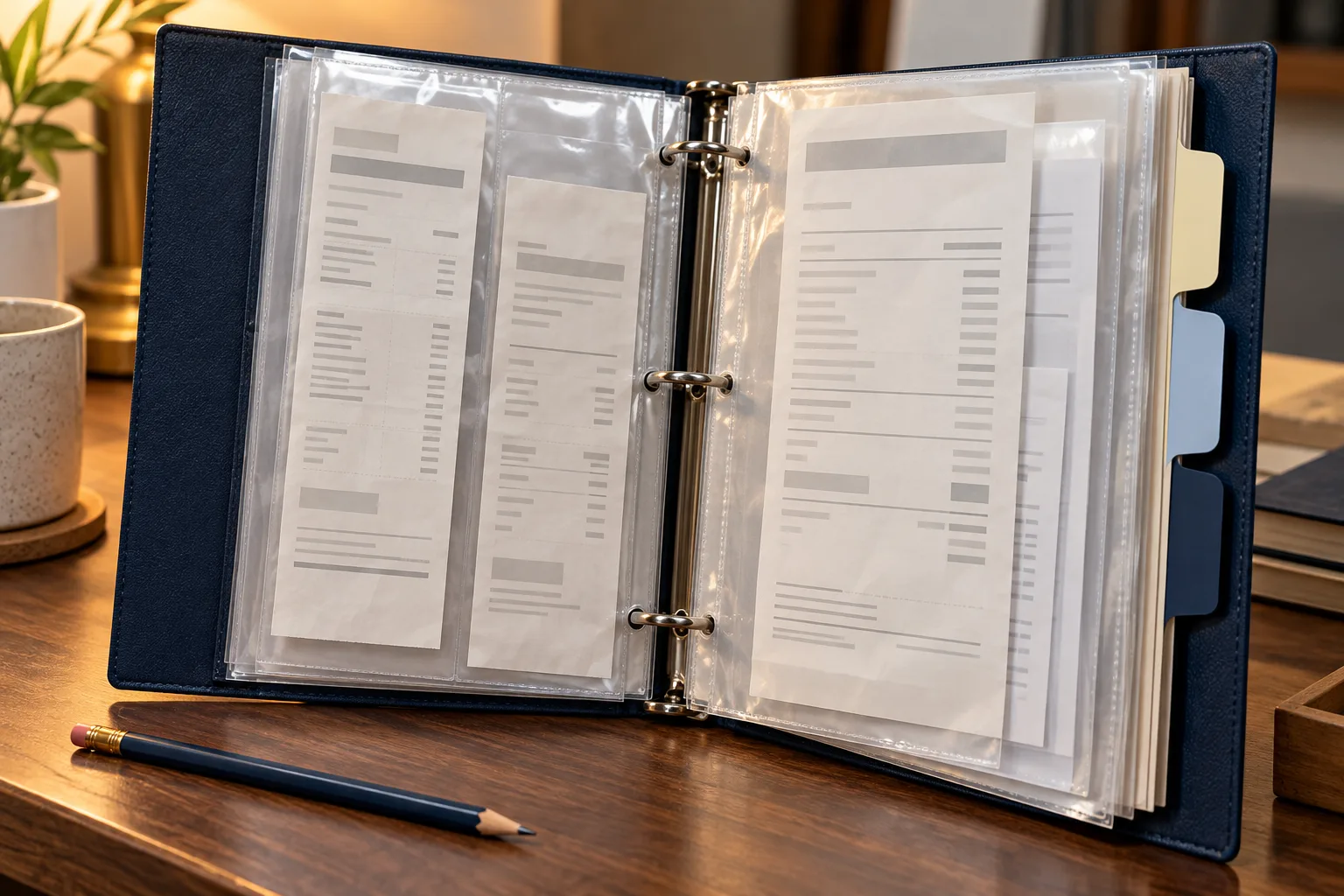
A long stack is not always a clear record. Place the relevant statement next to the receipt, notice, or history that explains your concern. Number your supporting copies and make a short chronology.
Keep originals for yourself. Before using an upload channel, verify that it belongs to the intended recipient. Account details belong in a secure submission, not a public review, social post, or forwarded group message.
Useful items to preserve
- The statement with the questioned entry
- Payment receipts or relevant bank records
- Earlier statements needed for comparison
- Your written notice or information request
- Evidence of delivery to the designated address
- The response and any follow-up documents
Save the record as it existed when the problem appeared.
A current portal may not show a previous screen. Date your copies and screenshots. If a later update changes the amount, preserve both versions instead of overwriting the earlier record.
Track the answer without inventing a deadline
Federal procedures include response periods, exceptions, and different treatment for certain issues. Review
the error-resolution rule and
the information-request rule with the actual dates and facts; do not treat a generic calendar calculation as advice about an imminent sale.
When an answer arrives, compare it with each question. Does it explain the entry? Does it identify a correction? Does it request something further? Write down any remaining discrepancy with a reference to the supporting record.
A response is not necessarily a resolution.
If the explanation is incomplete or does not match the documents, seek a focused review. Avoid sending repeated identical submissions without explaining what remains unresolved or what new evidence changes the question.
Do not confuse a dispute with a payment or court pause
Section 1024.35 does not eliminate the obligation to make payments owed under the loan. A dispute also should not be treated as blanket permission to ignore foreclosure papers. Have urgent case questions reviewed separately.
Keep account correction and legal deadlines on separate checklists.
For a payment held without being applied, see our
partial-payment guide. Verify the current records before deciding which process fits the problem.
General information only, not legal advice. Federal coverage limits, loan programs, Illinois law, and individual circumstances matter. Sources reviewed October 23, 2026. Attorney advertising. Prior results do not guarantee a similar outcome.
Turn an unresolved call into an organized file
Keep the original question, delivery evidence, and every written answer in date order so the next reviewer can follow the issue.
Questions about documenting a servicing problem
A clear record supports review; it does not guarantee a particular result.
Written By: