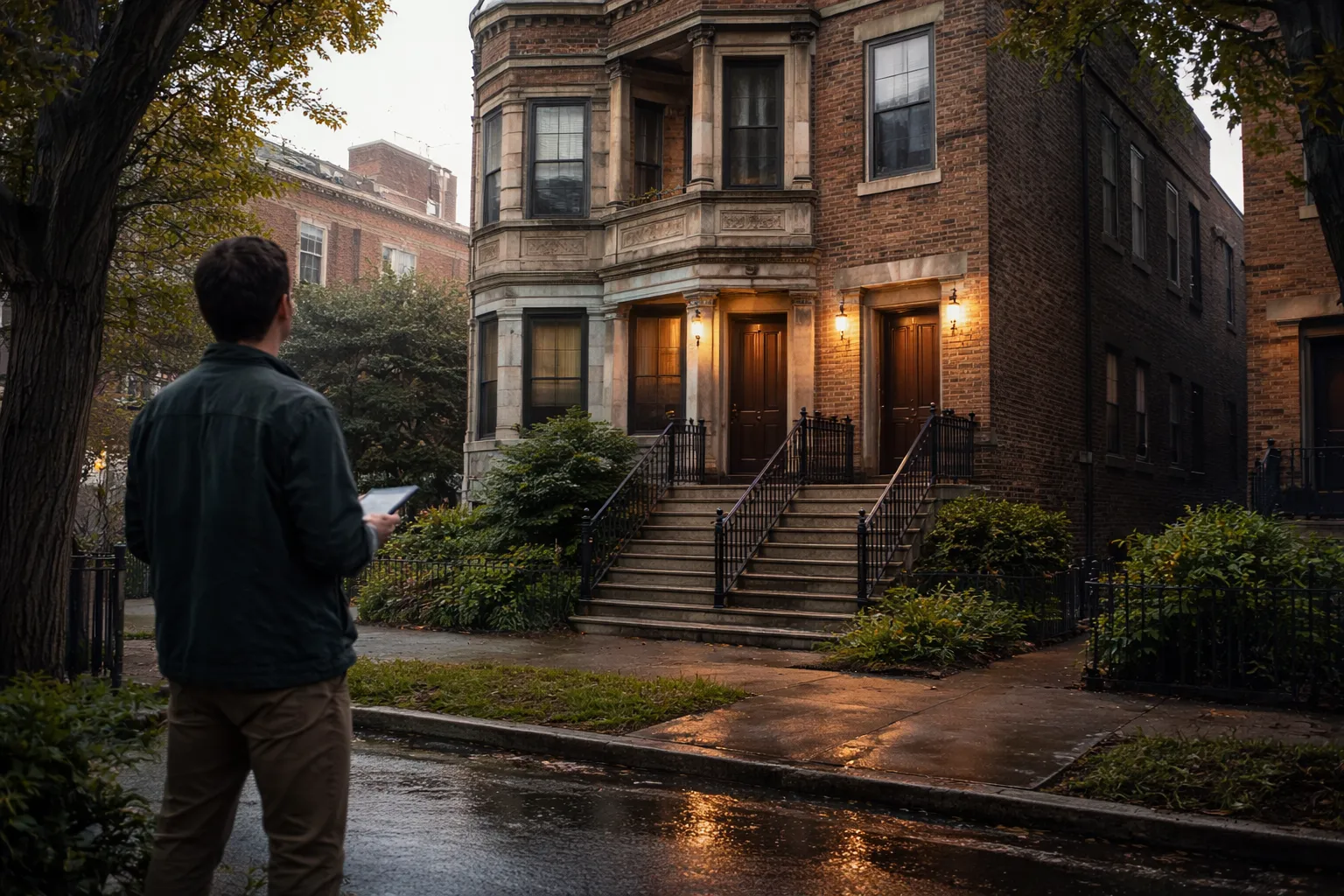
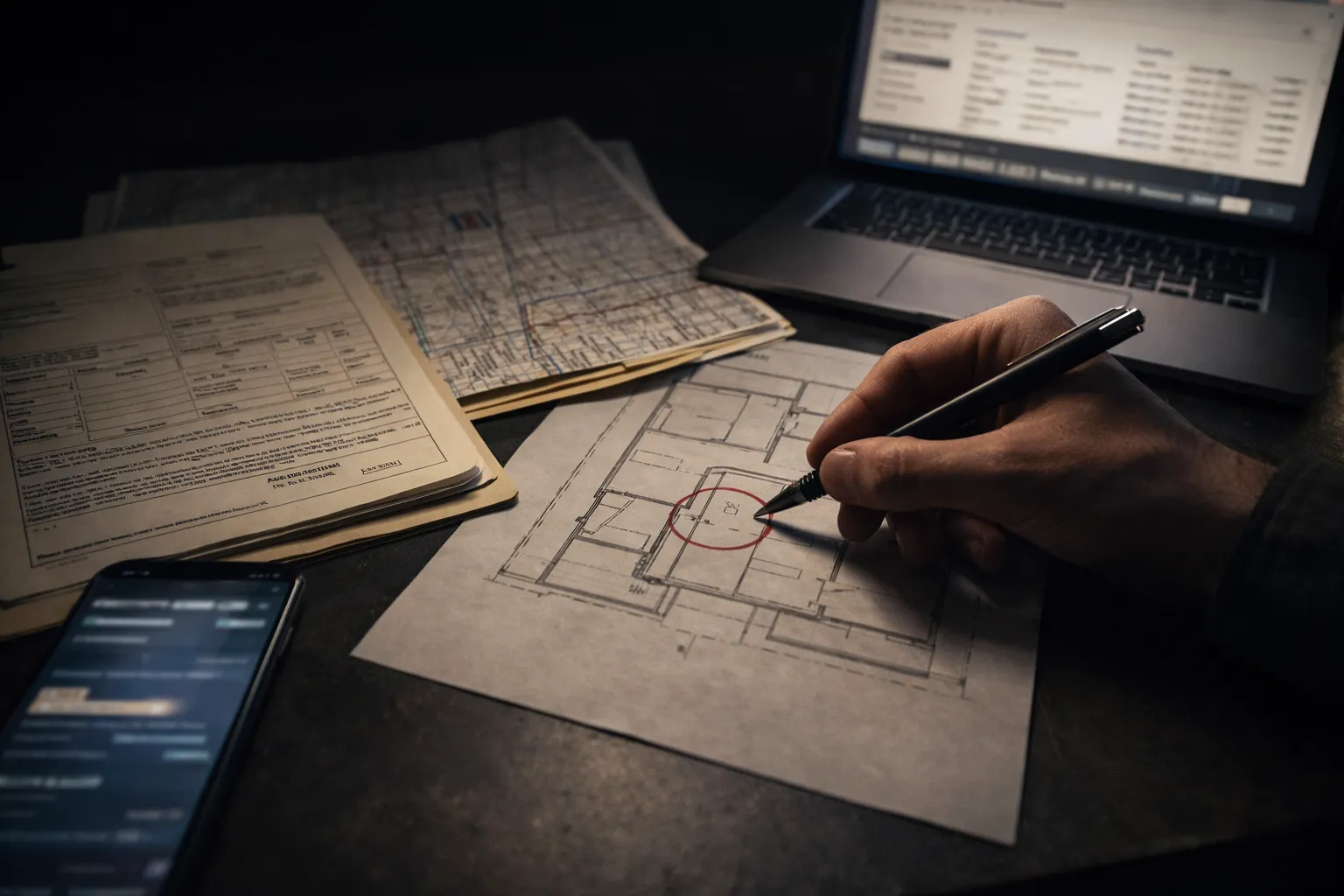
You type the address into the City system and there it is. Open building code violations. Maybe more than one. Maybe old. Maybe recent. Maybe tied to work you did not even know happened. The mistake most people make right here is treating every violation like it carries the same weight.
Important
This article is general information, not legal advice. Building records, hearings, permits, and code enforcement are fact specific. If you are under contract, on a refinance timeline, or dealing with an active notice, get legal review before you guess.
The better question is not, “Are there violations.” The better question is, “Which records are active, which are historical, and what still creates real risk today.” Once you break it down that way, the file gets a lot easier to read.
Need a fast violation review before you buy or sell
Send the address, the listing if you have it, and screenshots of what you found. We can help you separate old noise from real risk and tell you what deserves immediate attention.
Why the address search scares people so fast
Because the first screen looks final when it is not. Chicago gives the public access to building permit and inspection records, and it also offers a separate building department records search by address. Those tools are useful, but they are still just tools. They help you find the record. They do not interpret the record for you.
Building Permit and Inspection RecordsSearch Building Department Records
The City itself tells you not to overread the database
Chicago’s building records portal says it provides public access to permit and inspection records, but it also warns that the City makes no warranty about the accuracy, timeliness, or completeness of the data. That matters. It means one screen should never be your whole legal conclusion.
The first rule is simple
Use the portal to find the problem. Do not use it alone to decide the whole case.
That is why good due diligence usually means checking more than one record and saving the results the same day you pull them.
Start with three records, not one
This is the part people miss
A violation record, a permit record, and a hearing record can all tell different parts of the same story.
The City’s violations by address dataset is described as historical in nature. In other words, it is a great way to spot issues, but not a safe way to assume current compliance or current exposure by itself.
Already got a notice or hearing date
If the City has already served papers or set a hearing, do not treat it like a background issue. We can help you organize the record and respond in a way that actually moves the problem forward.
What actually matters when you find open violations
Usually four things. One, whether the condition still exists. Two, whether the City still treats it as active. Three, whether it has moved into administrative hearings or court. Four, whether the issue points to a larger permit or safety problem. That is what changes a line item into a real transaction problem.
Not every violation deserves the same level of panic
Old historical records matter less than current safety issues, open hearing exposure, or permit problems tied to active work and occupancy.
How complaints often start this process
A lot of Chicago building cases start with a complaint. The City’s 311 guidance lists examples like missing or broken windows, illegal apartments, falling exterior bricks or terra cotta, and other conditions people report. That matters for owners because the first sign of trouble is often not a permit problem. It is a complaint based inspection.
That also means owners and investors should not think only in terms of what they filed. They should think in terms of what the property looks like from the street, what tenants are reporting, and what a complaint inspector might see.
Your violation review checklist
- Screenshot or PDF of the permit and inspection history
- Screenshot or PDF of the violations by address results
- Any hearing notice, docket number, or City correspondence
- Current photos of the property, including the specific condition at issue
- Contractor invoices, permit applications, and inspection results if work was done
- A one page timeline with the date you found the issue and the next deadline
Your file should answer one question
What is still open, what is already fixed, and what still needs proof.
If it has reached a hearing, treat it like a real case
Once a matter is in Chicago administrative hearings, it is not just a background record problem. The code says parties get a hearing before an administrative law officer, testimony is under oath, continuances require good cause, and a properly issued notice of violation is prima facie evidence of the facts stated in it.
Chicago Municipal Code 2 14 076
That does not mean the City automatically wins. It means you should stop treating the notice like casual paperwork. Once you understand that, your preparation gets sharper fast.
Big mistake
Owners spend too much time arguing with the story and not enough time building proof that matches the actual notice.
If you need a continuance, evidence, witness testimony, or a clean explanation of what was fixed and when, build that early. Waiting until the night before is how ordinary cases become expensive ones.
Why early legal review saves time here
Because most building code problems are not just repair problems. They are record problems. The condition, the permit history, the address search, and the hearing status all need to line up. If they do not, the delay keeps coming back even after the work is done.
The best result is boring
The property is fixed, the record makes sense, and nobody has to guess what happened.
That is why this kind of review saves time. It stops you from chasing the wrong issue first.
Investor diligence on a Chicago property
If you buy properties regularly, this is the kind of thing that should be part of your normal underwriting. We can help you build a cleaner due diligence process so violations stop surprising you at the worst time.
Questions people ask when they find violations by address
General information only. If you have a live notice, hearing date, or closing deadline, get case specific advice.
Written By: