You sent a written mortgage servicing error notice and received a letter saying the account is correct. That conclusion may leave the original question unanswered from your perspective. The next step is to compare the response with the precise error you raised and the evidence supporting it.
A disagreement becomes easier to assess when the records are side by side.
This article focuses on reviewing a response to a covered notice of error under Regulation X. It does not treat every customer service message as a formal notice or assume that every disputed outcome is a servicing error.
Get a clearer view of your next step
1. Start with what you actually submitted
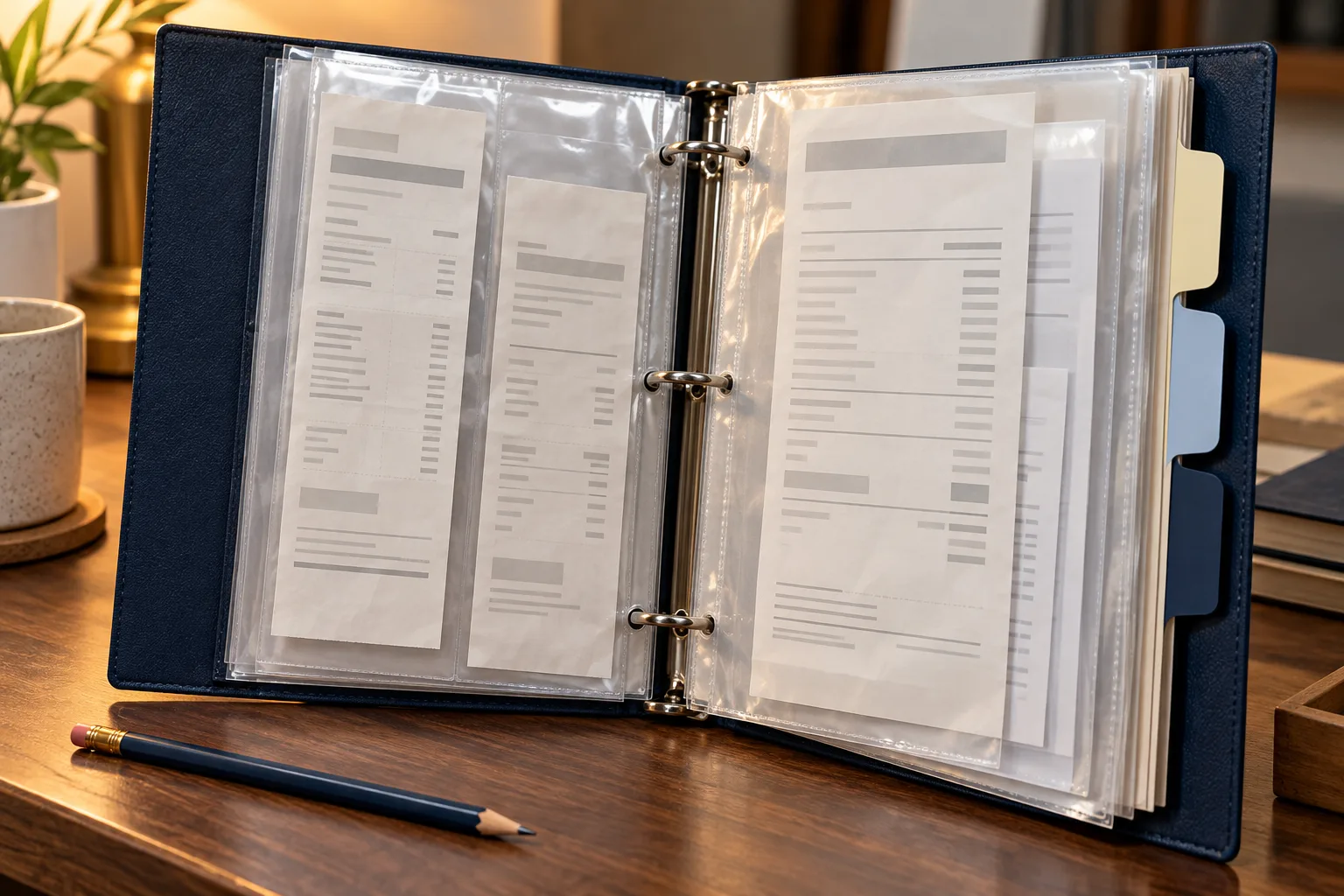
Keep the original notice, attachments, delivery evidence, acknowledgment, and final response together. Highlight the specific transaction, amount, or date you challenged.
Create an issue list
If your notice raised several problems, give each a separate line. Beside it, summarize the servicer’s explanation and identify the document that supports or contradicts it.
Separate an unanswered question from an answer you disagree with.
A response may address several issues in one letter or in separate letters. Check the entire correspondence packet before concluding that a particular issue was omitted.
2. Look for the stated reason
Under Regulation X, a no-error determination after a reasonable investigation must include the reasons, the right to request documents relied on, instructions for that request, and contact information for further assistance. Exceptions to the rule can matter.
The explanation should be assessed against the issue raised.
A statement that a payment was applied correctly is easier to evaluate if you can identify the installment and allocation involved. Mark any term or account code you do not understand and ask for clarification.
Bring the whole picture
Keep the loan documents, current statement, correspondence, and your questions together.
3. Request the documents relied on
Section 1024.35(e)(4) generally requires the servicer to provide, without charge, documents and information actually relied on for the no-error determination within 15 days after receiving the request, excluding Saturdays, Sundays, and legal public holidays. Confidential, proprietary, or privileged material can be withheld under the rule.
The request concerns relied-on material, not unrestricted access to every internal file.
4. Make your follow-up easy to connect
Identify the mortgage account, the date of your error notice, and the date of the no-error response. Ask for the documents and information relied on in making that determination, following the instructions in the response.
Save a copy and delivery evidence. If material is withheld on a protected basis, the rule requires written notification within the applicable 15-day period.
Review the records when they arrive
For a payment-allocation dispute, compare the provided ledger or account screenshot with your receipt and statement. Record exactly where the dates, amounts, or categories differ.
Describe the discrepancy without guessing at intent.
For example, identify that a receipt shows one amount but the allocation record shows another. Ask whether a reversal, returned payment, or later adjustment explains the difference.
5. Add new evidence instead of resending the same packet
If you find a new receipt or a previously unexplained entry, label it clearly and explain how it affects the issue. Keep your original record intact so the sequence remains understandable.
Repeated or overly broad requests can raise separate issues under the regulation. A focused follow-up should identify what is new or unresolved rather than merely repeat an accusation.
Specific evidence is more useful than a longer complaint.
A lawyer or housing counselor can help organize the chronology. Legal review is particularly important where the disputed servicing event also appears in a foreclosure case.
6. Treat urgent legal events independently
A pending document request does not give you a safe basis to miss a hearing, ignore a summons, or assume a sale is postponed. Share any approaching date at the start of a consultation.
Track the servicing response and court deadlines on separate lines.
Contact EV Häs, LLC Attorney at Law with the complete correspondence packet and the court papers if you need a review of an Illinois mortgage dispute. No response letter alone determines the outcome of a case.
Sources:
CFPB Regulation X, section 1024.35. General educational information, not legal advice. Loan terms and individual circumstances matter. Sources reviewed November 5, 2026. Attorney advertising; no outcome is guaranteed.
Address the issue early
A focused review starts with the actual facts, not a promise of a particular result.
Common questions
Practical answers for Illinois homeowners.
Written By: