

A Cook County mortgage foreclosure case management or status order is a judge-issued scheduling order used in the county’s mortgage foreclosure section to move a case forward in an organized way. In practical terms, it tells the parties what needs to happen next, when the next court date will occur, and which pretrial tasks may need attention before the case can advance. Cook County’s foreclosure section uses standardized forms with names such as “Mortgage Foreclosure Case Management Status Order” and, on some calendars, “Pre-Trial Discovery Timeline Order.” Mortgage Foreclosure Section | Circuit Court of Cook CountyWright, James A. | Circuit Court of Cook CountyPedersen, Chloe | Circuit Court of Cook County
The safest approach is to treat the order as a roadmap for your immediate next steps. The order is not the foreclosure judgment itself and not the sheriff’s sale order; it is an interim case-management tool used while the lawsuit is still pending. Because the accessible court materials do not include the current full form text, the exact deadlines and consequences can vary, and any missing detail should be checked against the order you received and the court calendar handling your case. Mortgage Foreclosure Section | Circuit Court of Cook CountyWright, James A. | Circuit Court of Cook CountyPart 21 – Chancery Division Court-Annexed Mediation | Circuit Court of Cook County
EV Häs, LLC Attorney at Law can help you understand what the Cook County order is asking for and what the next court date may mean for your response. Mortgage Foreclosure Section | Circuit Court of Cook CountyWright, James A. | Circuit Court of Cook County
Cook County’s foreclosure section is a specialized part of the chancery division, and its judge pages show that the court uses structured forms to manage foreclosure cases. Those forms include case-management status orders and, on some calendars, a pre-trial discovery timeline order. That structure supports the idea that the order is meant to keep the case moving and to make sure the court and the parties know what is supposed to happen before the next hearing. Mortgage Foreclosure Section | Circuit Court of Cook CountyWright, James A. | Circuit Court of Cook CountyPedersen, Chloe | Circuit Court of Cook County

For a homeowner, the order is best understood as a written list of case-management expectations. It may schedule the next appearance, direct the exchange of information, or set other pretrial steps that need to be completed before the matter is ready to move ahead. That description is a careful inference from the court’s form names and the foreclosure section’s procedure pages, because the full form text is not available in the accessible sources here. Mortgage Foreclosure Section | Circuit Court of Cook CountyWright, James A. | Circuit Court of Cook County
That distinction matters because a status order usually does not decide whether the lender wins or loses. Instead, it controls the pace of the case. The court’s mediation materials also use separate “status” language for foreclosure procedure, which reinforces that this is a case-management tool rather than a final judgment. Part 21 – Chancery Division Court-Annexed Mediation | Circuit Court of Cook CountyMortgage Foreclosure Section | Circuit Court of Cook County
Based on Cook County’s foreclosure structure and the names of the available forms, a status order can set the next court date and may also direct pretrial tasks such as discovery-related steps, document exchange, or motion practice scheduling. The exact obligations depend on the specific calendar and the form used by the judge handling the case. Mortgage Foreclosure Section | Circuit Court of Cook CountyWright, James A. | Circuit Court of Cook CountyPedersen, Chloe | Circuit Court of Cook County
Because I do not have the full current text of the form in an accessible source, I cannot say that every Cook County status order uses the same deadlines or the same wording. The important point is that the order can create court-managed timing obligations, and those obligations may affect what you need to prepare before the next hearing. Mortgage Foreclosure Section | Circuit Court of Cook CountyWright, James A. | Circuit Court of Cook County
Act early if your foreclosure case includes discovery, a status date, or another pretrial requirement. A small delay can make it harder to stay organized in court. Wright, James A. | Circuit Court of Cook CountyDeutsche Bank National Trust Co. v. Thomson, 2016 IL App (1st) 140486-U
Missing a status-order deadline can matter because foreclosure cases move on the court’s schedule, not on the homeowner’s preferred timeline. Illinois appellate decisions describing Cook County foreclosure procedures show that the county uses a structured framework designed to give judges enough information before foreclosure relief is entered and to account for homeowners who often appear without lawyers. If a homeowner does not meet a required step, the practical risk is that the case may move forward without the response, documents, or argument the homeowner intended to present. Deutsche Bank National Trust Co. v. Thomson, 2016 IL App (1st) 140486-UCrown Mortgage Co. v. Young, 2013 IL App (1st) 122363Mortgage Foreclosure Section | Circuit Court of Cook County
Start by identifying the next court date, any deadline tied to that date, and any separate instructions about discovery or filings. If the order refers to another form or timeline, read both together so you do not miss a linked requirement. Cook County judge pages show that different calendars may use slightly different foreclosure forms, so the safest reading is always the one tied to your specific courtroom. Wright, James A. | Circuit Court of Cook CountyPedersen, Chloe | Circuit Court of Cook County
If the order is unclear, compare it with the case caption, the calendar number, and any mediation-related paperwork. The county’s foreclosure section and mediation materials show that more than one procedural form can exist in the same case, and each one may serve a different purpose. Mortgage Foreclosure Section | Circuit Court of Cook CountyPart 21 – Chancery Division Court-Annexed Mediation | Circuit Court of Cook County
Look for the hearing date, any document-exchange deadline, any discovery deadline, and any instruction about the next status call. If the order mentions a timeline rather than a single date, make sure you understand whether the task is due before the hearing or by a separate court-set date. Mortgage Foreclosure Section | Circuit Court of Cook CountyWright, James A. | Circuit Court of Cook County
That simple habit helps you avoid a missed appearance or a missed filing. Since the current full form text is not available here, any exact deadline should be confirmed against the order itself and the courtroom handling your matter. Mortgage Foreclosure Section | Circuit Court of Cook CountyWright, James A. | Circuit Court of Cook County
First, do not ignore the order. Next, gather the foreclosure complaint, your summons, the status order, and any related mediation or discovery paperwork so you can see the full procedural picture. If you are unsure what the court expects, focus on the next listed date and any task that must happen before it. Mortgage Foreclosure Section | Circuit Court of Cook CountyPart 21 – Chancery Division Court-Annexed Mediation | Circuit Court of Cook County
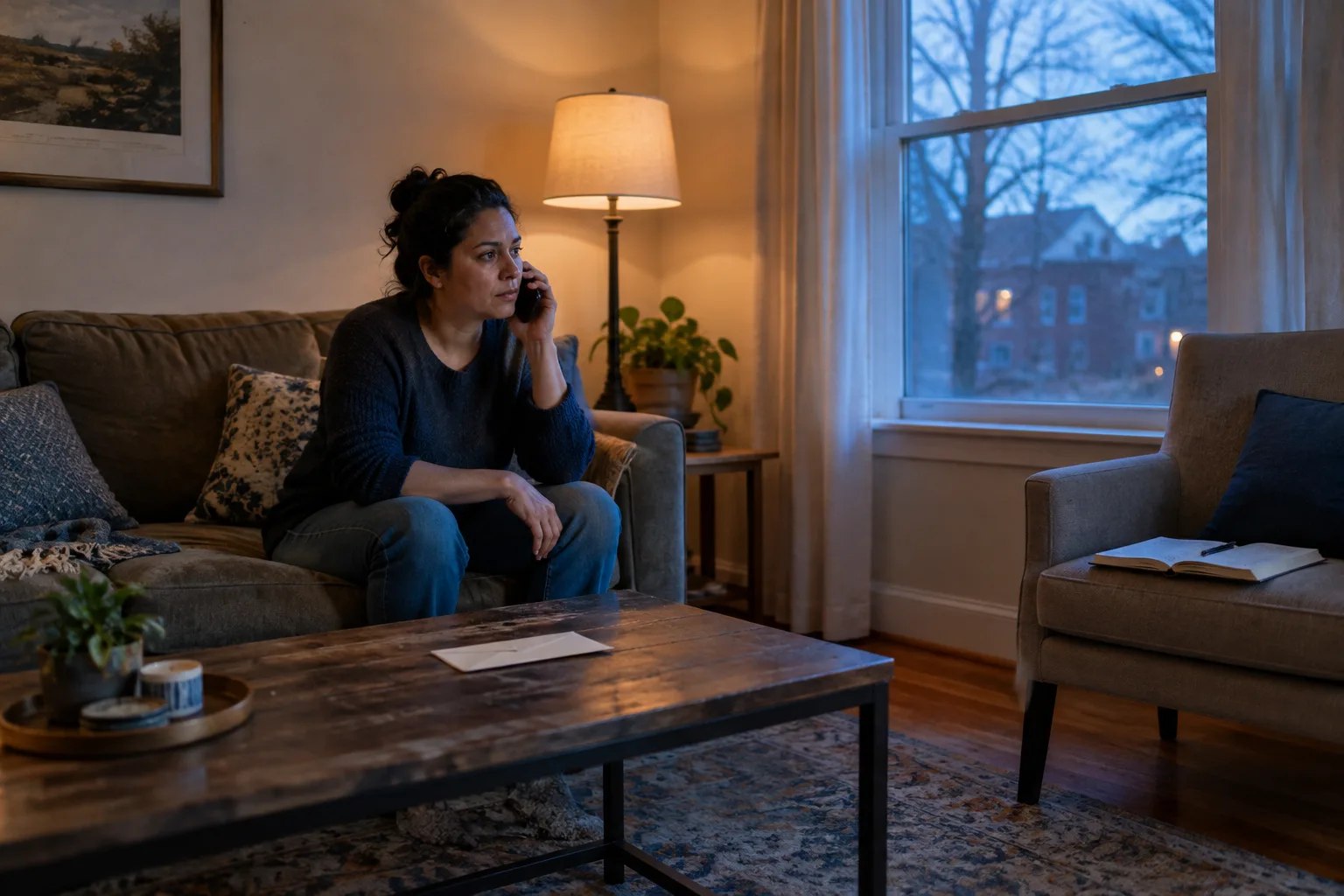
Second, if you need more time or if the deadline conflicts with another obligation, raise the issue as early as possible. In foreclosure cases, waiting until the date has already passed can make it harder to protect your position. The court materials show a structured procedure, and that structure works best when homeowners respond before the scheduled hearing rather than after it. Deutsche Bank National Trust Co. v. Thomson, 2016 IL App (1st) 140486-UCrown Mortgage Co. v. Young, 2013 IL App (1st) 122363
Third, keep in mind that a status order may be tied to a broader court process, including mediation or pretrial case management. If the paperwork mentions another form, read that form too, because the deadlines may be linked even if they appear on different pages. Mortgage Foreclosure Section | Circuit Court of Cook CountyPedersen, Chloe | Circuit Court of Cook CountyPart 21 – Chancery Division Court-Annexed Mediation | Circuit Court of Cook County
You should consider getting help if the order is hard to understand, if it contains more than one deadline, or if you are worried about losing track of what the court expects. A foreclosure status order can look routine, but it still shapes the pace of the case and the work you need to do before the next hearing. Mortgage Foreclosure Section | Circuit Court of Cook CountyWright, James A. | Circuit Court of Cook CountyDeutsche Bank National Trust Co. v. Thomson, 2016 IL App (1st) 140486-U
The lawyers at EV Häs, LLC Attorney at Law can help you sort the status order, the related paperwork, and the practical next steps for your Cook County case. This article is not a promise of a specific outcome; it is a general explanation of how the county’s foreclosure process is organized. Mortgage Foreclosure Section | Circuit Court of Cook CountyWright, James A. | Circuit Court of Cook CountyCrown Mortgage Co. v. Young, 2013 IL App (1st) 122363
If you are trying to protect your home, the key is to understand the order before the next court date arrives. Once the deadline passes, your choices may become narrower, so it is better to review the paperwork early and respond on time. Wright, James A. | Circuit Court of Cook CountyDeutsche Bank National Trust Co. v. Thomson, 2016 IL App (1st) 140486-U
Sources
Information checked 2026-11-19. General educational information; individual facts and current law matter.
Contact EV Häs, LLC Attorney at Law before the next status date so you can sort the order, the deadlines, and the documents the court may expect. Mortgage Foreclosure Section | Circuit Court of Cook CountyPedersen, Chloe | Circuit Court of Cook County
No. The accessible Cook County materials show that the status order is part of case management, while the foreclosure judgment is a later and different court event. The status order helps organize the case before final relief is decided. Mortgage Foreclosure Section | Circuit Court of Cook CountyWright, James A. | Circuit Court of Cook CountyPart 21 – Chancery Division Court-Annexed Mediation | Circuit Court of Cook County
It may include the next status date and may also direct pretrial tasks such as discovery steps, document exchange, or motion-related timing, depending on the courtroom and the specific form used. I cannot verify a single universal list from the accessible sources, so the order itself controls. Mortgage Foreclosure Section | Circuit Court of Cook CountyWright, James A. | Circuit Court of Cook CountyPedersen, Chloe | Circuit Court of Cook County
Because foreclosure cases follow court-managed schedules, missing a deadline can leave you out of step with the court and may make it harder to present documents, arguments, or responses when the case moves forward. That is a practical risk drawn from the county’s procedure framework and appellate descriptions of it. Deutsche Bank National Trust Co. v. Thomson, 2016 IL App (1st) 140486-UCrown Mortgage Co. v. Young, 2013 IL App (1st) 122363
No source I have shows that every calendar uses identical wording. The judge pages for the foreclosure section show similar but not always identical form names, which suggests that the exact paperwork can vary by calendar or judge. Wright, James A. | Circuit Court of Cook CountyPedersen, Chloe | Circuit Court of Cook County
Then you should read both the status order and the mediation paperwork together. Cook County’s foreclosure materials show a separate mortgage foreclosure mediation status order, which means the case may involve more than one procedural track. Part 21 – Chancery Division Court-Annexed Mediation | Circuit Court of Cook CountyMortgage Foreclosure Section | Circuit Court of Cook County
No. The accessible sources do not support a single universal deadline for all cases. The safest reading is the one shown in your own order, your own calendar, and any related court paperwork. Mortgage Foreclosure Section | Circuit Court of Cook CountyWright, James A. | Circuit Court of Cook County
Review the order right away, gather the related foreclosure papers, and get help before the next court date if anything is unclear. If you wait until after the deadline, your options may be more limited than they were before the hearing. Wright, James A. | Circuit Court of Cook CountyDeutsche Bank National Trust Co. v. Thomson, 2016 IL App (1st) 140486-UCrown Mortgage Co. v. Young, 2013 IL App (1st) 122363
Tell us what notice you received or your next court date. We’ll confirm where you are in the process and recommend your strongest next move—without panic or guesswork.
We typically respond the same business day or the next business day.
Need help?