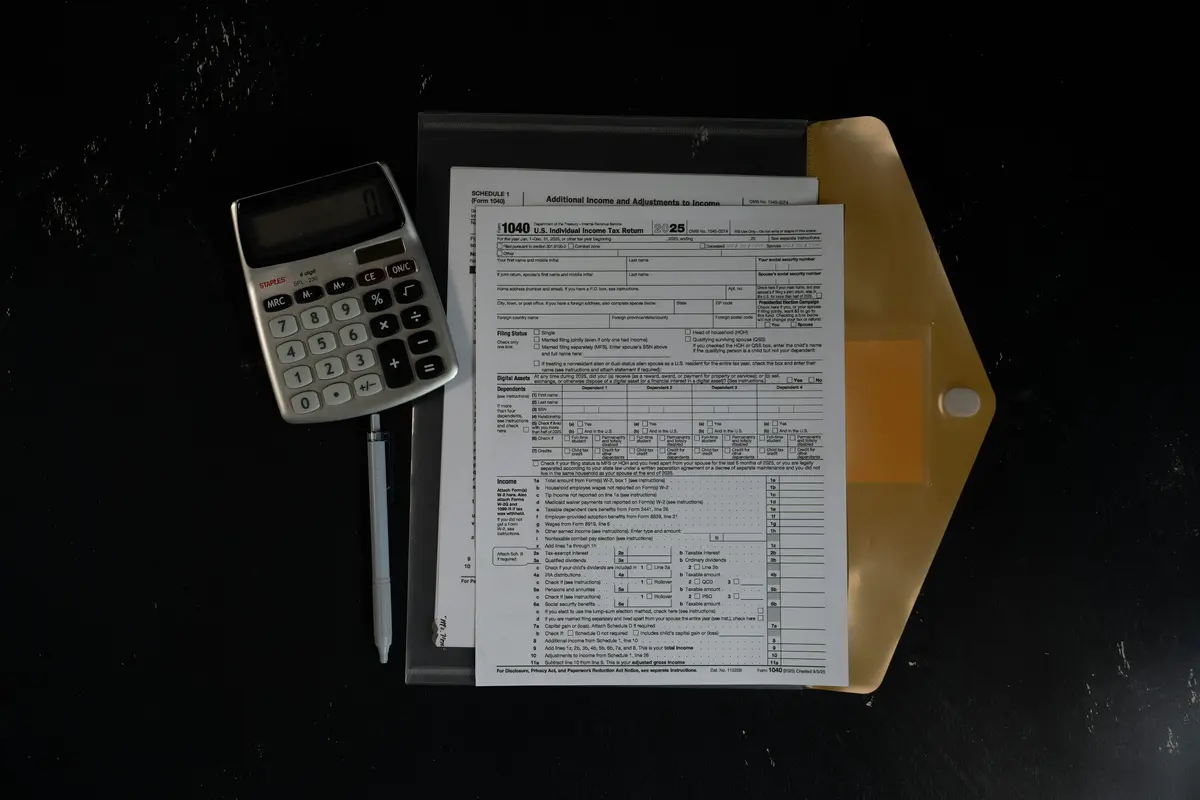
An envelope arrives with words such as default, breach, or acceleration. It is tempting either to put it aside or to assume the home has already been lost. Neither reaction tells you what the document actually means. Start by identifying the sender, the loan, and the action requested.
Read the whole letter, including the back page and attachments.
This checklist is for Illinois homeowners reviewing a mortgage notice. A lender or servicer letter, a summons, and a judge’s order serve different purposes. If you also received court papers, keep them in the same review file while tracking their requirements separately.
Not sure what kind of notice arrived?
1. Confirm which account the letter concerns
Compare the property address and account reference with your current statement. A household can have a first mortgage and another loan secured by the same home. Do not assume a notice relates to the account you paid most recently.
Check the sender independently
Use a telephone number from a trusted statement or the servicer’s established website to verify an unfamiliar demand. Keep the new letter, but do not send money to new payment instructions simply because the heading looks official.
A recognizable property address does not verify a payment destination.
If the company name changed, place the transfer notices beside the letter. Ask who services the account now and how the new demand relates to the prior balance. Record the representative’s name and the answer rather than relying on memory.
2. Find the alleged breach
In its
guidance for covered conventional loans, Fannie Mae directs servicers to identify the breach, the action needed to cure it, and the cure date. That guidance is not a universal rule for every mortgage. Your documents and applicable requirements determine what notice is required.
Identify the issue before deciding whether the figure is correct.
Highlight the exact problem alleged. Is it missed installments, an insurance issue, or something else? Compare that statement with your records. If a payment appears missing, find the bank transaction and the servicer’s posting record; those records answer different questions.
Begin with the facts
Write the loan number, letter date, receipt date, stated amount, and deadline on one page.
3. Separate the amount from the deadline
Copy the stated amount and any date through which it is calculated. Then copy the response or cure deadline separately. Acceleration generally refers to demanding the remaining debt sooner because of default; a warning about possible acceleration is not necessarily a statement that it already occurred. Have unclear wording reviewed.
Do not substitute a monthly payment figure for an amount the letter specifically requests.
4. Ask how the requested action should be completed
If you can address the demand, verify acceptable payment methods, delivery instructions, and how completion will be documented. If you cannot, explain the financial problem and ask about available assistance. A telephone conversation alone should not be treated as a written change to the notice.
For example, “I spoke to someone Tuesday” is less useful than a dated note identifying the representative, the amount discussed, and whether a written agreement was promised. Keep the original demand even if the discussion seems encouraging.
Questions to keep beside the letter
- Which loan and property are identified?
- What default is alleged?
- What amount or action is requested?
- Which date applies, and what must happen by then?
- How will receipt and account treatment be confirmed?
A request for clarification is not proof of an extension.
If someone gives a different deadline orally, request written confirmation. Mark the original date as unresolved until the change is verified. Save messages and portal receipts in a folder named for the notice, so later correspondence does not become separated from it.
5. Check whether there is also a court case
The
Illinois Attorney General’s homeowner notice distinguishes ownership and possession from the filing of foreclosure. A demand letter should not be treated as permission to ignore a summons, nor as an instruction from a judge to move out.
Bring any summons, complaint, hearing notice, or order to legal review. The letter’s deadline and a court deadline can be different. Ask which response belongs to each document instead of trying to merge them into one calendar entry.
Keep the servicing conversation and the court calendar visible at the same time.
Do not wait for a complete archive before getting help with an approaching date. Start with the notice in hand, then add the remaining records. Tell the person reviewing it which documents are missing and what you have already requested.
Turn the notice into a short action file
Create three sections: the demand, your supporting records, and the response. Add the newest statement, relevant payment proof, and any written assistance agreement. Keep originals intact and make readable copies rather than writing over figures you may later need to compare.
The useful next step is a documented response to the actual issue.
If the wording, account history, or deadline remains unclear,
request legal review before making assumptions about the consequences. Bring the full sequence of correspondence, not only the paragraph that seems most alarming.
General information only, not legal advice. Loan documents, applicable law, and individual circumstances matter. Sources reviewed October 27, 2026. Attorney advertising. No outcome is guaranteed.
Avoid a vague follow-up
Ask which specific action would address the stated default and how you will receive confirmation.
Questions about default letters
A careful reading starts with the actual document.
Written By: